The Athlete’s Log

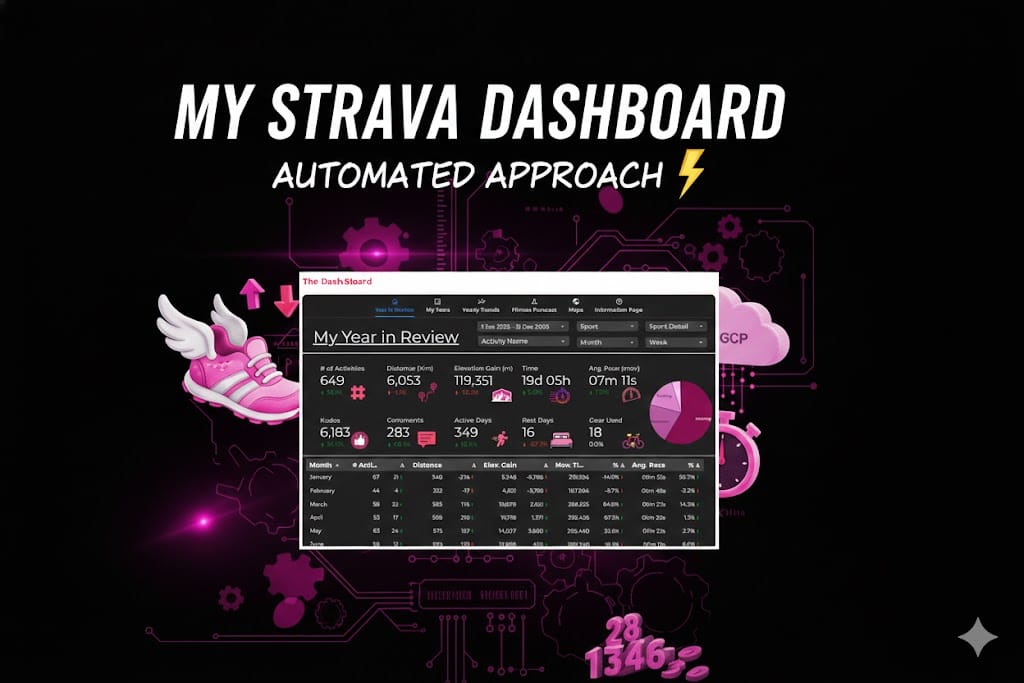
My Strava Dashboard: An Automated Approach

TLDR: “I automated my Strava data so I can spend less time looking at my laptop and more time getting lost on trails. Check out how I built a 100% cloud-automated fitness dashboard.”

We’ve reached that time of year again. My social feed is currently a graveyard of Spotify Wrapped stats and “Year in Review” infographics. Strava’s version is… fine. It tells me I ran a lot and probably spent too much money on gels.

But as a data person, a once-a-year few pages of stats doesn’t cut the mustard. I didn’t want a participation trophy; I wanted a command center. I wanted to see how my 2025 hill repeats compared to 2018, and I wanted it to update while I was out actually doing the miles—not while I was hunched over a keyboard hitting “Run Script.”

The Build: Moving from Manual to "Mach 1"

To get this off the ground (and into the cloud), we built a four-stage pipeline that handles the heavy lifting so I don’t have to. Here is the “Pro” setup:

  1. The Handshake (Strava API): We tapped into the Strava API using OAuth 2.0. This isn’t just a simple download; it involves a system of refresh tokens that allow the dashboard to keep its “all-access pass” to my data without me having to log in every morning.
  2. The Brain (Python & Pandas): I (with the help of my trusty assistant, Gemini) wrote a Python script that acts as a digital filter. It pulls over 60 columns of raw data—everything from heart rate to polyline map coordinates—and transforms them. We’re talking unit conversions (meters to km), date-granularity breakdowns, and custom “Efficiency Ratios” (Moving Time vs. Elapsed Time).
  3. The Warehouse (Google Sheets): Instead of a complex SQL database, we used Google Sheets as a lightweight data warehouse. It’s accessible, easy to audit, and plays perfectly with our visualization layer.
  4. The Automation (Google Cloud Functions & Scheduler): This is the secret sauce. The script lives in a Google Cloud Function (a serverless “worker”). I set up a Cloud Scheduler (essentially a digital alarm clock) to trigger that function every morning at 8:00 AM.

The result? I go for a run, the cloud wakes up, fetches the data, processes the map, updates the spreadsheet, and the dashboard is ready before I’ve even finished my post-run coffee.

The Evolution: From Sumo to Strava

If you saw my previous post on the Sumo Data Master dashboard, you know I love a good trendline. But that project was like a manual transmission—it only worked when I sat down at my local PC and ran the code.

The Strava Dashboard is a different beast. It’s fully “Set and Forget.” While the Sumo project taught me how to analyze data, this project taught me how to engineer it. We moved from a local script to a live, cloud-native application.

Why Bother? (The 100-Mile Motivation)

You might ask: “Ross, isn’t this overkill for a morning jog?” Maybe… But I have my sights set on the UTMB 100-miler this year and praying to the lottery gods that I get in. When you’re training for 100 miles, “vibes” aren’t a training plan. I need to track my cumulative elevation gain over years, know what works for me and be mountain-ready before hitting the start line.

It was also fun and a challenge to see if I could get it working with full automation.
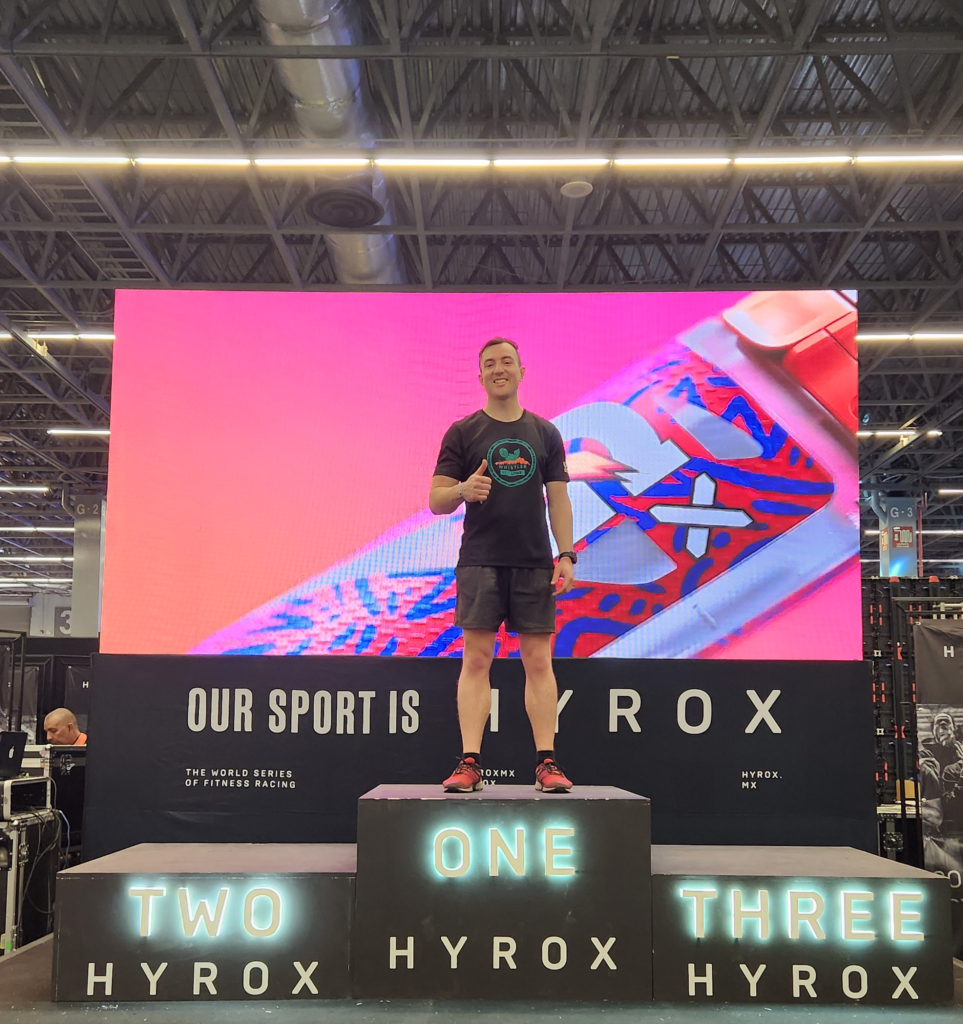
My First Hyrox: Guadalajara - Tough, Fun, and Definitely Doing it Again!

Just finished my first Hyrox event in Guadalajara, Mexico on February 8th, 2025, and wow, what an experience! If you’re thinking about giving Hyrox a go, let me tell you a bit about it and why I think you should absolutely take the plunge.

Training? Not So Much…

Okay, so let’s be honest, my training for this event was… minimal. I’d dabbled in some gym trials, but nothing Hyrox-specific. Living in Seattle hasn’t helped my running game lately with the cold weather making it tough to get motivated. In hindsight, a practice run in the weeks leading up would have been a smart move, but lesson learned for next time!

Baptism of Fire in Guadalajara

“Tough” doesn’t even begin to cover it! This event was a real eye-opener. It was my first time encountering some of the Hyrox stations, like pushing and pulling that monstrous 150kg sled. Let me tell you, adding in the ball throws to basketball height and running between stations really ramps up the challenge.

Despite the toughness, it was genuinely a lot of fun. There’s a real sense of accomplishment crossing that finish line knowing you pushed yourself.

Burpees: My Nemesis

If there was one exercise that truly tested me, it was the burpee broad jumps. 80 meters of those bad boys sent my heart rate through the roof! It took a while to bring it back down after that station. Definitely going to be practicing those before the next event.

Would I Do it Again? Absolutely!

Despite the struggles and feeling completely wiped out afterwards, I’m already thinking about the next one. I’d 100% recommend anyone reasonably fit to give Hyrox a crack. It’s a fantastic challenge and a great way to test your overall fitness.

Room for Improvement

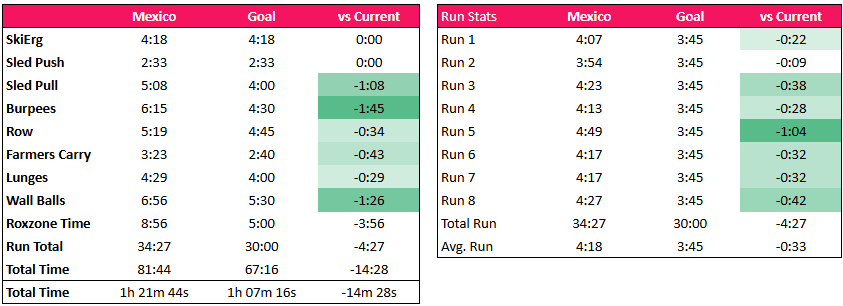
I reckon with some proper, structured training, I could shave off a good 10 minutes from my time. That would still leave me miles off the pros, but it’s a personal challenge, right? The main thing is to improve and see what I’m capable of.

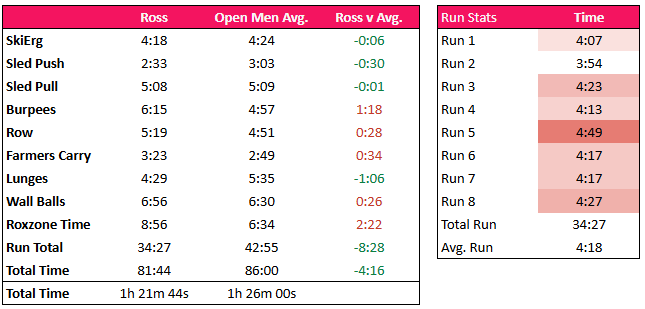
My Results

Goal Times

Final Verdict

Hyrox Guadalajara was a fantastic, albeit tough, experience. It’s a great event, and I’m already looking forward to the next one with some serious training under my belt. If you’re looking for a fitness challenge that’s both physically and mentally demanding, give Hyrox a go – you won’t regret it!

Japan 2024 - Lake Biwa 100 Mile Ultramarathon And Kumano Kodo

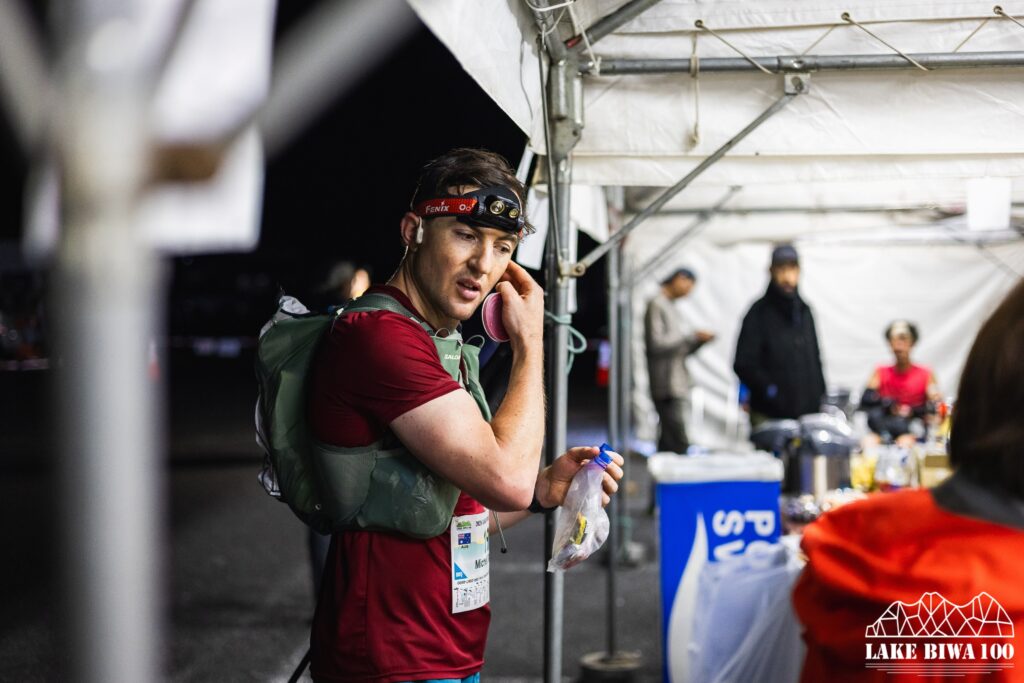
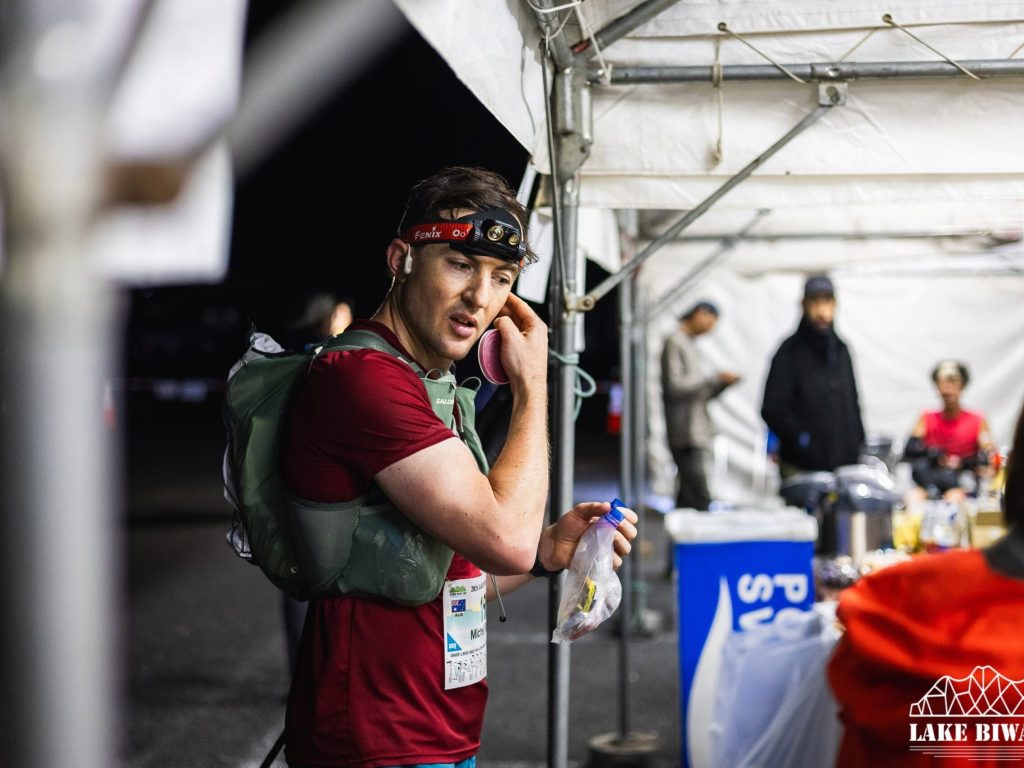
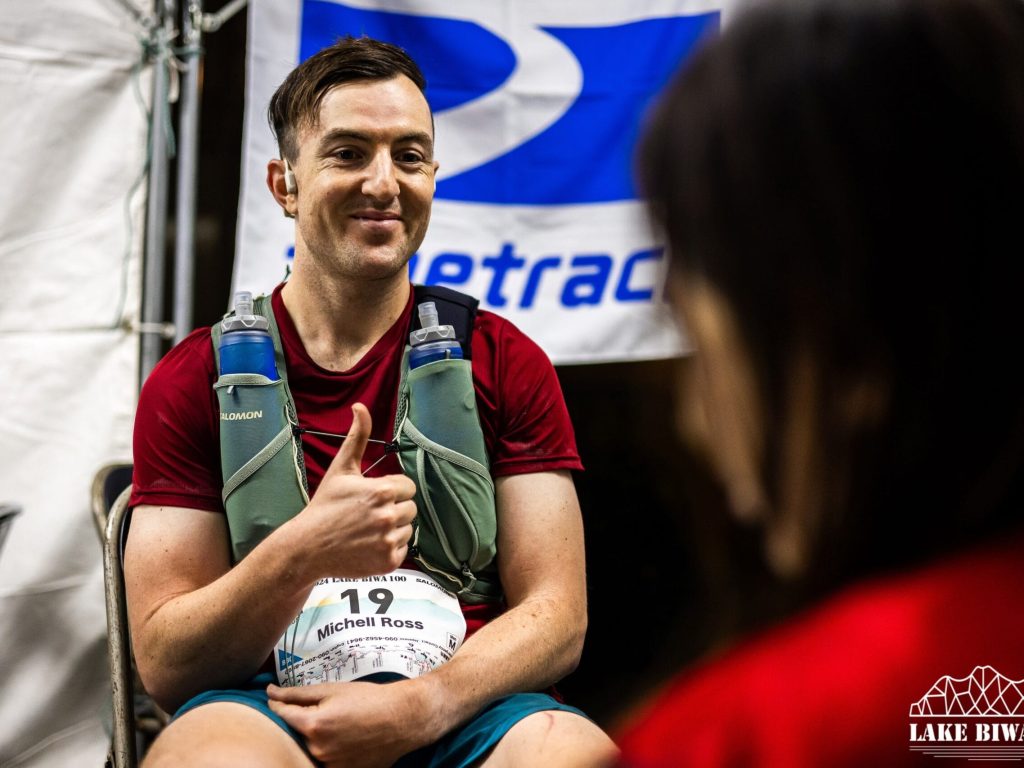
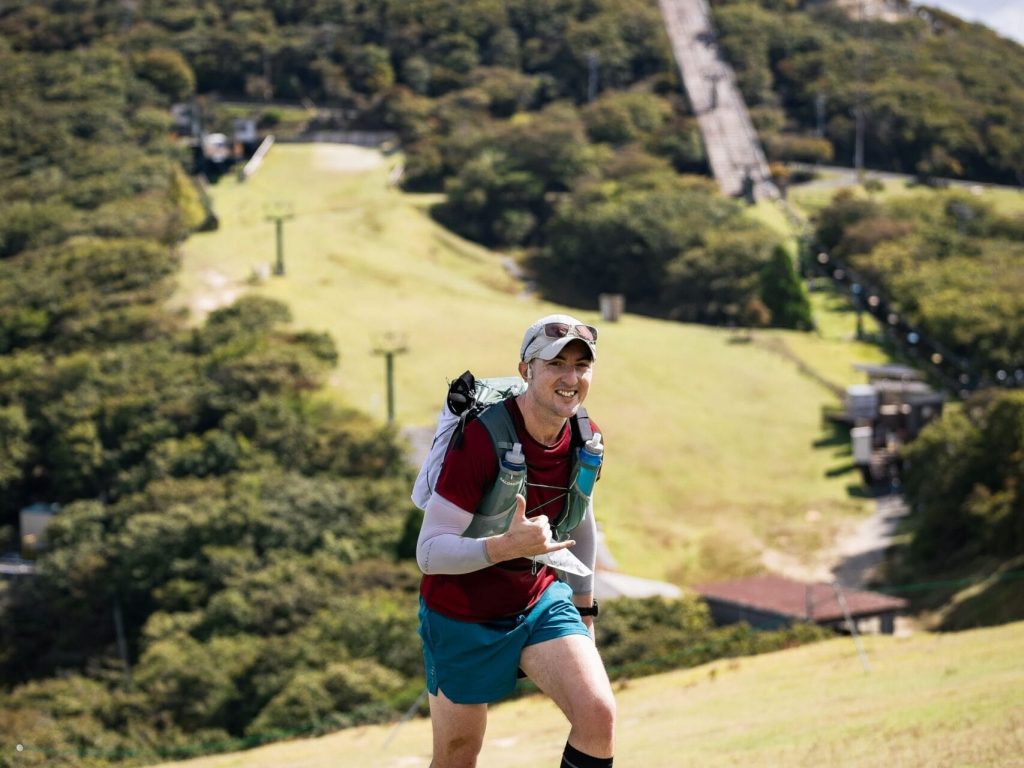
A Rocky Road to the Finish: My Lake Biwa 100 Adventure

The Lake Biwa 100 is not just a race; it’s a test of endurance, a battle against the elements, and a relentless assault on the mind and body. I was eager to face this challenge, but little did I know, the universe had other plans.

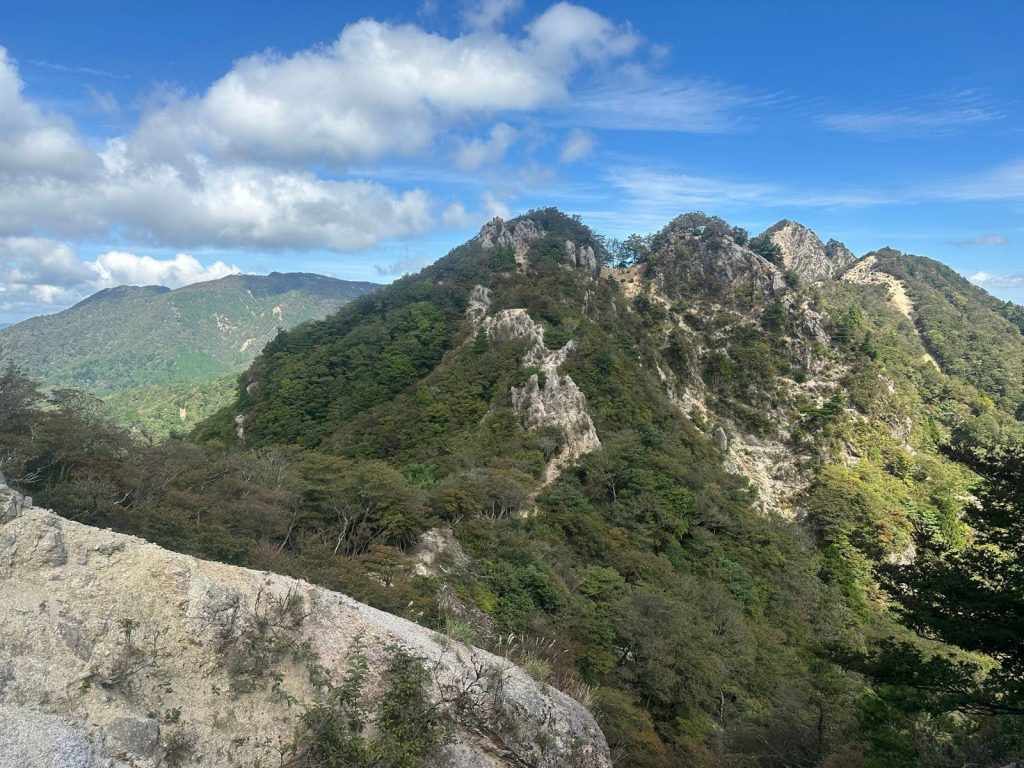
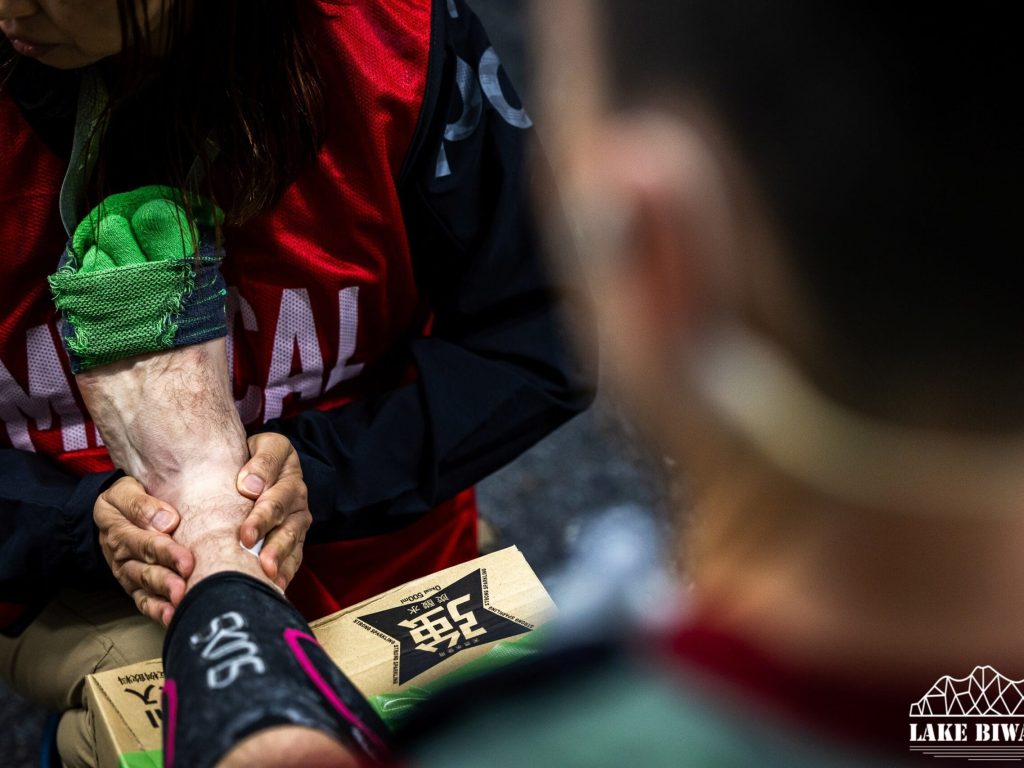
The initial 25 kilometers were a blur of technical terrain, a treacherous dance with gravity. Every step required precision, a misstep could send you plummeting down a rocky cliff. But fate had a more sinister plan. A hidden, rogue rock, camouflaged by leaves and brush, caught my foot, twisting my ankle in a way that sent shockwaves through my body. The pain was immediate, sharp, and unrelenting.

Despite the setback, I pressed on, determined to conquer the course. The next 20 kilometers were a grueling test of willpower. Each step was a battle against pain, a constant reminder of the fragility of the human body. By the time I reached the aid station, I had fallen 16 places, but my spirit remained unbroken.

Fueled by ibuprofen and a stubborn refusal to quit, I limped through the next 30 kilometers. The pain was excruciating, and the blisters that formed were a constant source of irritation. The temptation to throw in the towel was overwhelming, but I drew strength from the words of David Goggins: “Don’t stop when you’re tired. Stop when you’re done.”

With each agonizing step, I edged closer to the finish line. The final aid station was a lifeline, a chance to change into fresh shoes and rejuvenate my weary body. I surged up the final mountain, my determination unwavering. The descent was a painful crawl, but I persevered, pushing through the darkness and the pain.

Finally, after 42 hours and 30 minutes, I crossed the finish line, 86th out of 350. The relief was immense, but the exhaustion was palpable. I had conquered the Lake Biwa 100, not just physically, but mentally as well.

This race was a humbling experience, a testament to the power of human endurance. It taught me the importance of perseverance, the value of pushing past one’s limits, and the incredible strength that lies within us all.

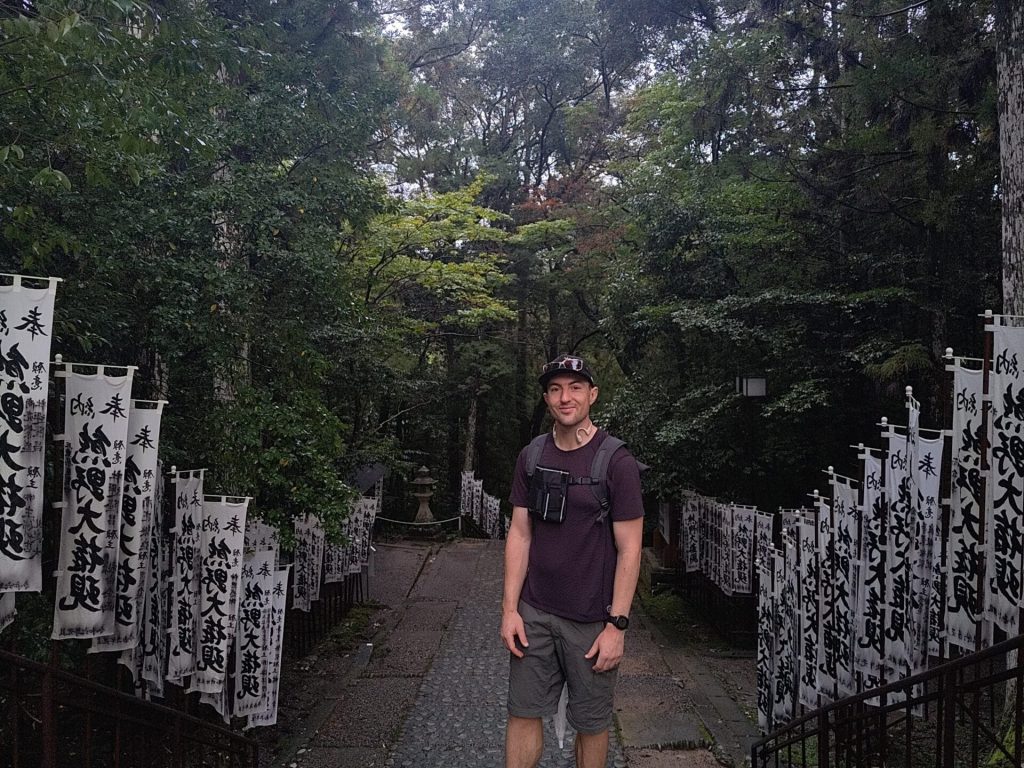
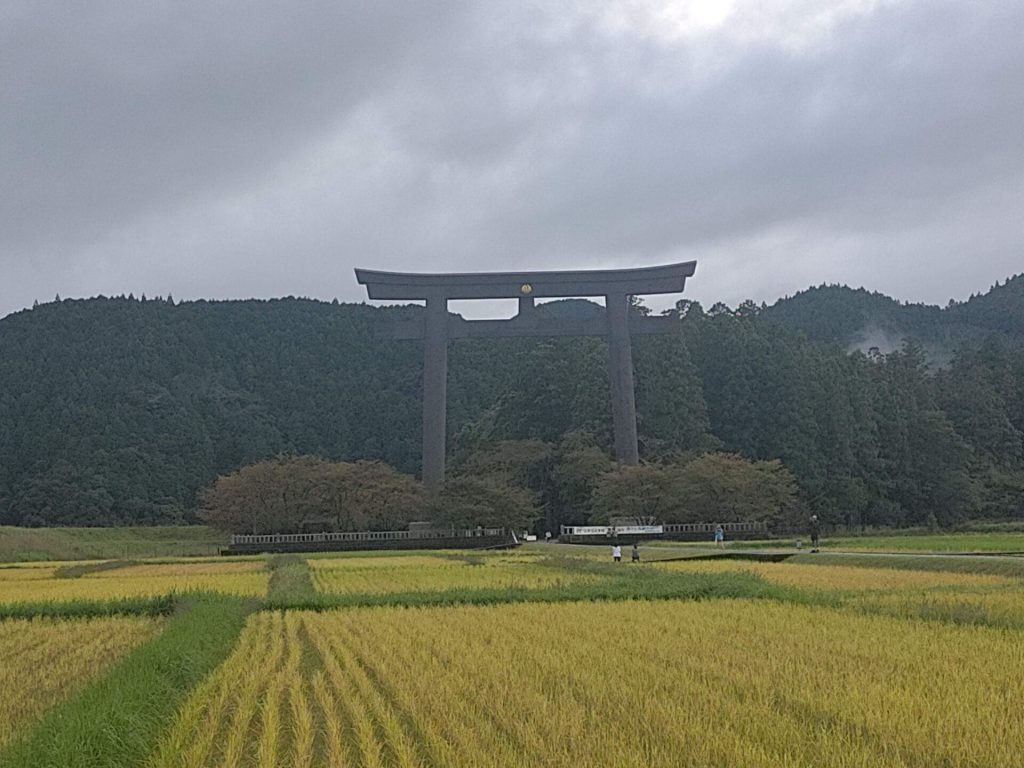
Kumano-Kodo Nakahechi Route

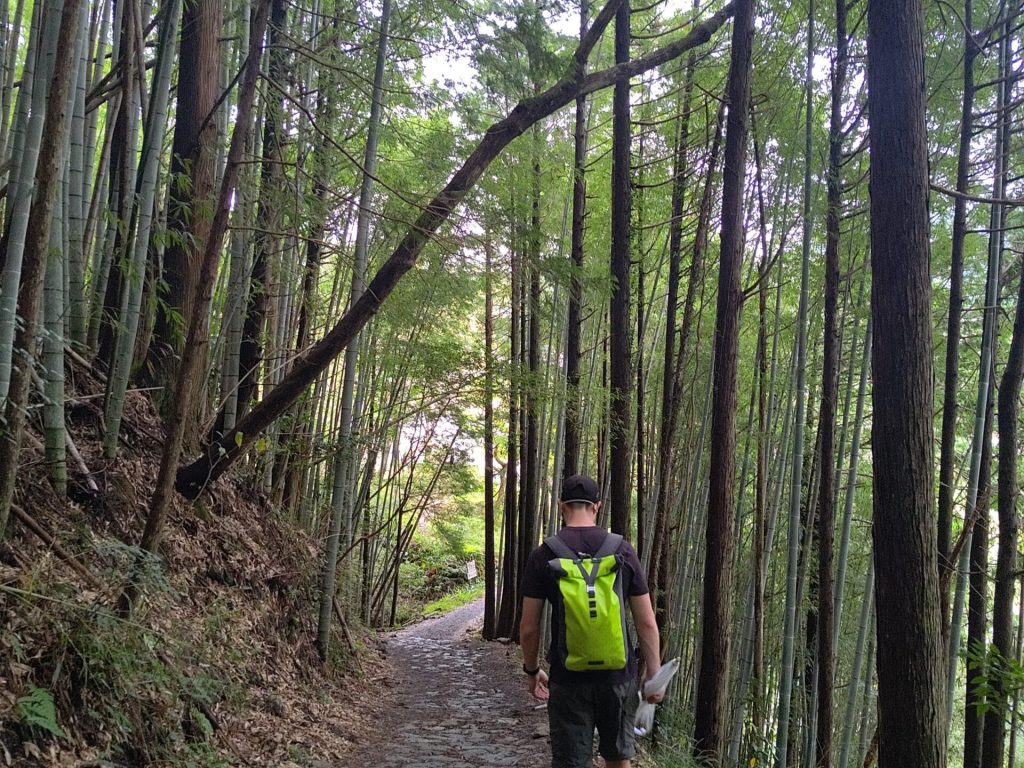
The Kumano-Kodo Nakahechi Route is a historic pilgrimage trail in Japan, renowned for its spiritual significance and stunning natural beauty. For over a millennium, it has drawn pilgrims seeking spiritual enlightenment and purification.

The route, often referred to as the “Imperial Route,” was particularly favored by emperors and nobles. Many emperors, including Emperor Go-Shirakawa, embarked on pilgrimages to the Kumano Sanzan shrines, seeking divine blessings and protection. These imperial pilgrimages not only elevated the status of the Kumano shrines but also contributed to the development of the Nakahechi Route as a significant cultural and spiritual pathway.

Today, the Nakahechi remains a popular pilgrimage destination, offering a serene and contemplative experience as hikers traverse ancient paths, encounter traditional villages, and immerse themselves in the rich history and culture of the region.

We walked this over 4 days per the below structure:

DateTitleTimeDistanceElevation
Thu, 17/10/2024Kumano Kodo Pilgrimage – Day 104:42:0714.63 km997 m
Fri, 18/10/2024Kumano Kodo Pilgrimage – Day 208:08:3930.16 km994 m
Sat, 19/10/2024Kumano Kodo Pilgrimage – Day 304:07:4714.41 km665 m
Sun, 20/10/2024Kumano Kodo Pilgrimage – Day 405:44:3018.53 km1,272 m

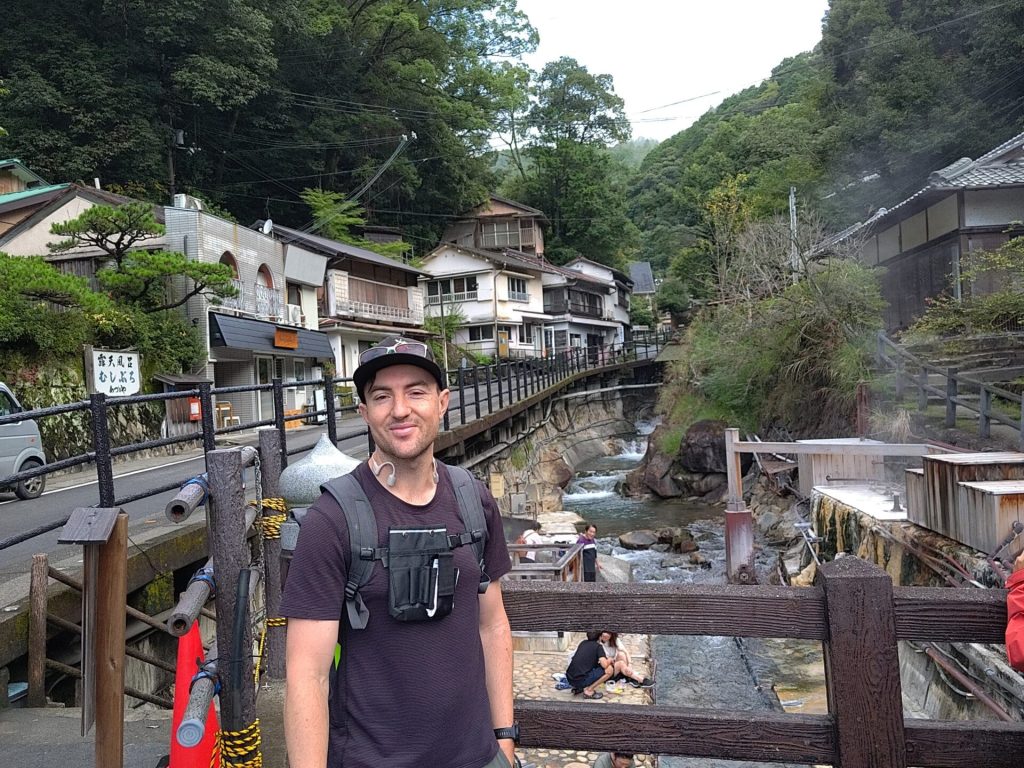
Would highly recommend staying in Yunomine onsen area after day 2, as it’s a long day out and a really nice little area. Note that you do need to get a bus there at the station at the end of day 2. 

Kumano Kodo Nakahechi GPX – download.

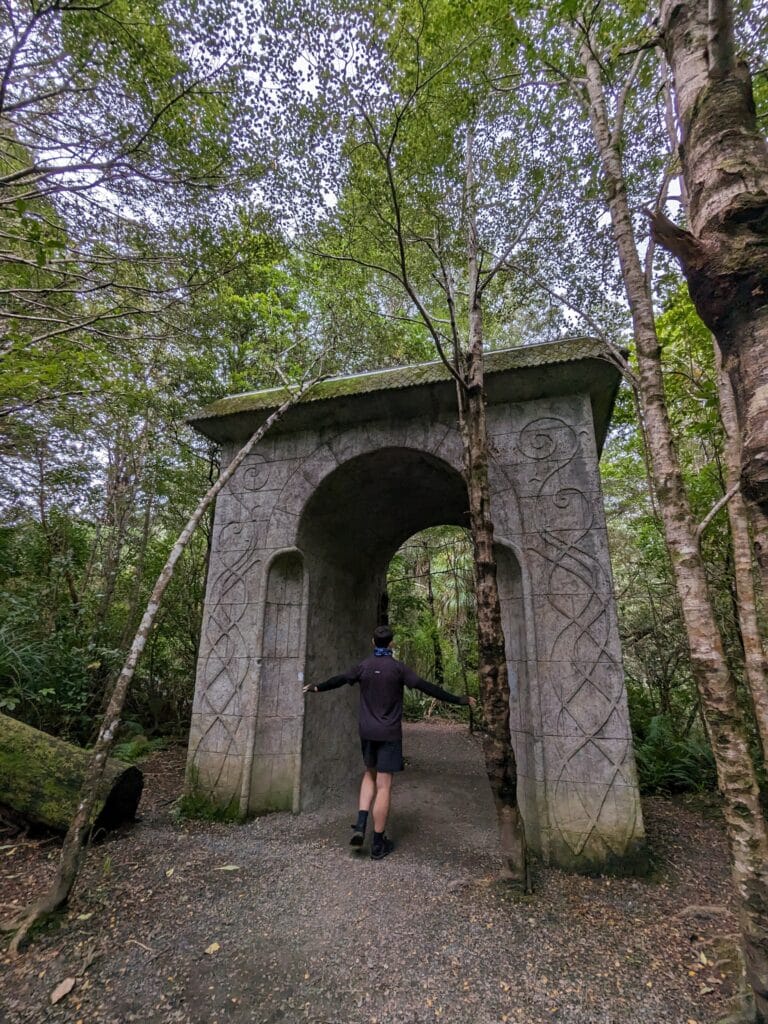
Trail Running and Lord of the Rings Locations in Wellington NZ

A beyond-awesome time in Wellington New Zealand. Although I was only there for 4 days – there was so much to do and explore for adventure and food lovers.

Highlights

  • Lord of the Rings Locations and Weta Cave tour
  • Surrounding Mountains for Trail running, hiking and mountain biking
  •  Cycling – building and expanding more cycling lanes
  • Food and coffee options
  • Affordable – from house prices to food. Rent seemed expensive but hotels were pretty good.

Wellington NZ - Travel Map

Trail Running the Great North Walk; Newcastle to Sydney ~250Kms

Day 0 - Newcastle to Wakefield ~35K

The Great North Walk is a 250Km walking track which runs from Sydney to Newcastle in New South Wales, Australia. My wife and I’s current house in Macquarie Park literally backs onto the Lane Cove National Park which the GNW (Great North Walk) passes through.

I have walked and run many sections of this great trail and owed it the respect it deserves to traverse the whole thing. With some inspiration from The Backyard Adventurer and no plans for the June long weekend, I decided it was finally time to attempt it – in just 3 days (+ an afternoon).

I went up to Newcastle very early Friday Morning to work from and old mate (Rolly’s) house before setting on a sneaky ~35K ‘warm up’ run.

Strava Link

Day 1 - Wakefield to Cedar Brush Creek ~75K

This was a real tough day. Trail markings went missing when I needed them most, elevation was double what I had expected, only 11 hours of light. But that’s what adventure is – overcoming the unexpected. Originally I had planned for Yarramalong but decided to pack it it 10K’s early and tidy those up the next morning after a solid dinner with the Wife at Angel Sussurri’s.

Strava Link

Day 2 - Cedar Brush Creek to Patonga ~80K

A frosty morning made it difficult to start but I started with a bang – finishing off the previous night’s leftovers I ran back to town at ~5:30min/km pace and felt awesome. Tucked into some breakfast and set off again. 

There were some tough trails between Yarramalong and Summersby but it was nice, away from cars and I was lost with the spirit of adventure. Met up with Kelli for some a quick look in at the Harvest Festival events in town but had to quickly jet off as I knew I had a big day ahead.

Landed in Mooney Mooney bridge where my number 1 was going to bring me lunch…. but she wasn’t there. Turned out the 5am morning starts were a bit much and she needed a much needed nap… oh well, onwards! I saw a snake, got a horrible bleeding nose but soldiered on until kilometre 63 where my knee decided to breakdown. I marched on and took some nurofen to finish off the day but knew the final day of adventure would have to be postponed with my knew unable to carry me. “True strength is knowing when to call it” – The Fish.

Strava Link

Day 3 - Brooklyn to Sydney ~80K

Exactly 1 week later, a deep tissue massage and a rare visit to the physio – I had mentally told myself that I was ready to take on the final segment: Brooklyn to Sydney Cove. The Sign said 77kms but we all know how they lie. I knew it was going to be a tough day out so I set off on the very first train to Hawkesbury River station on the 5:20am from Epping and arrived to start just before 6am, then disaster struck.

On the train I realised I had forgotten my carefully prepared breakfast and coffee! I ate through most of my snacks before even starting but knowing that I could get a replenishment it would be okay. I also made an emergency pit stop at the local Cafe in Cowan to grab a quick bite and a brew and I was back on track.

I had to mentally push myself after leaving Cowan with some small niggles in the same knee that gave out the week before, telling myself it would be okay and keeping my mind on the job at hand helped get me through. As well as Joe Abercrombe’s book – The Blade Itself. I made good progress and sped up just as I was arriving in Thornleigh to meet Kelli who had already ordered a giant dish of sweet and sour pork. Fuel of champions.

I set off on my most local trails for which I’m probably the local legend on 50% or more of them and met up with my good mate Leighlan who had agreed to pace me the final 20Ks – legend. It really started to hit home as we were running past the Woolwich pub that I’d just (about) finished a 270K run from Newcastle to Sydney, nothing could stop me now! We smashed through the final few kms, finishing just before full darkness – arriving at Woolwich Ferry Wharf at around 6pm. A ferry ride into Circular Quay to meet Kelli and the final destination!

Strava Link

MetricsDay 0Day 1Day 2Day 3Total
Distance32.576.580.079.8268.9
Time (Moving)03:17:2310:34:5310:53:4410:40:4035:26:40
Pace06:0408:1808:1008:0107:55
Ascent Metres (m)5463,2262,2202,7838,775

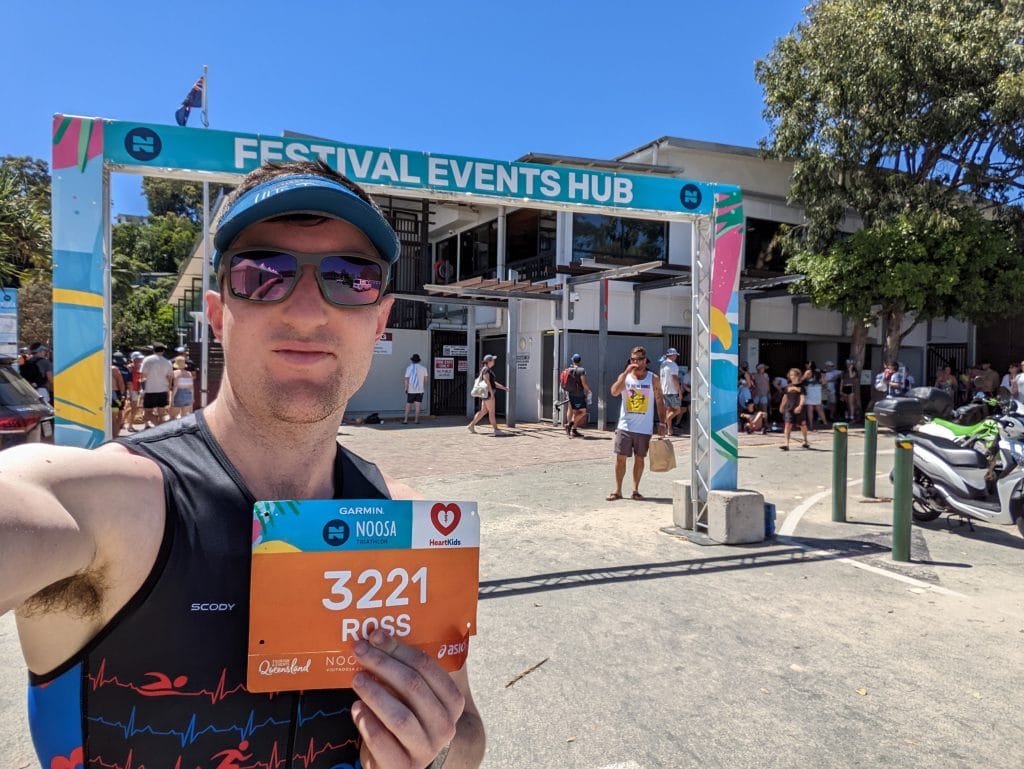
Signing up for Noosa Tri (2021)

About 2 years ago I signed up for almost every race in the continent.  From a 2K Ocean Swim in Coolangatta to a 50K trail race in Warburton Victoria. Included in that was the Noosa Triathlon in 2021 which was actually out of normal tickets so I opted to run for a charity. 

Noosa Tri now lays claim as the largest Olympic distance triathlon in the world and is consistently ranked in the global top-ten triathlons by athletes. The 5-day festival – which includes 11 events in all – hosts over 13,000 competitors supported by more than 30,000 spectators on race day.

It was an easy pick in terms of which charity to run for as my niece has heart problems as a kid and HeartKids support kids like her and do all kinds of good research in that area. I raised just shy of $2.5K and actually topped the individual fundraisers for the Charity, something I never expected and very proud of.

2 years later after 2021 was closed for interstate travellers due to COVID19, the time had come. I had never set my goal to get a podium as that would be so unrealistic. I just wanted to complete the event and give it a good crack. Before race I was expecting ~30mins in the swim, 1.5hours on the bike and ~40mins in the run.

Race Day

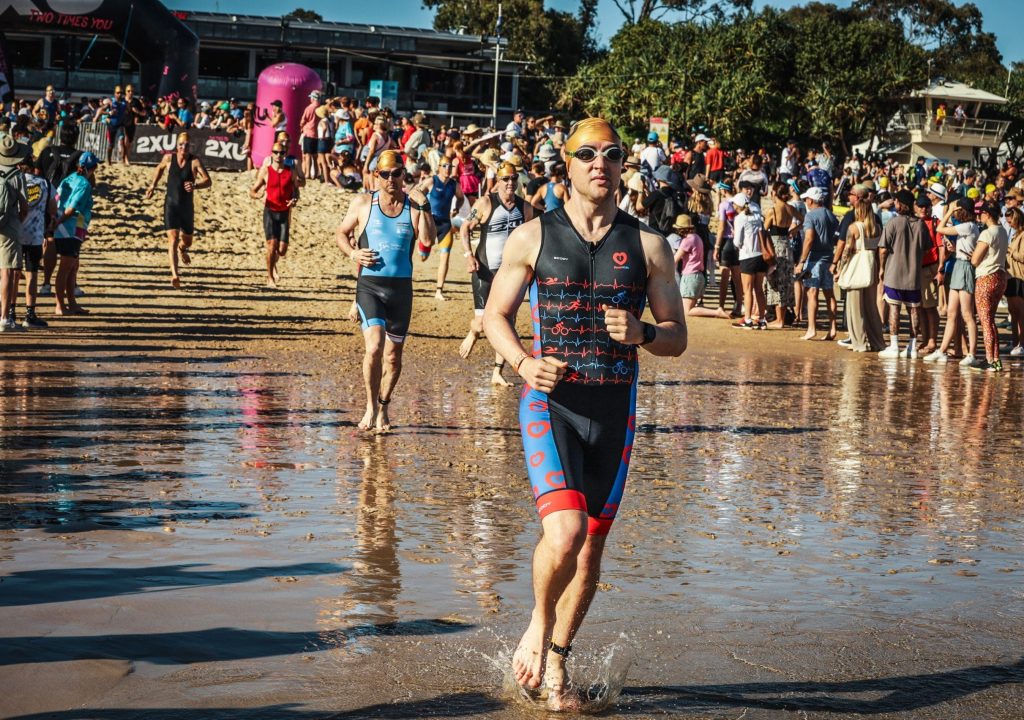
Swim – 28 minutes

  • Went in not too nervous but also not completely confident
  • Started getting ‘tired’ and a bit more nervous after a few hundred metres but went away after I realised I was able to keep up with the people around me
  • After the halfway point I knew I had it in the bag and walked out 28mins
  • Key Takeaway: I should definitely train for ocean swims with real ocean swimming

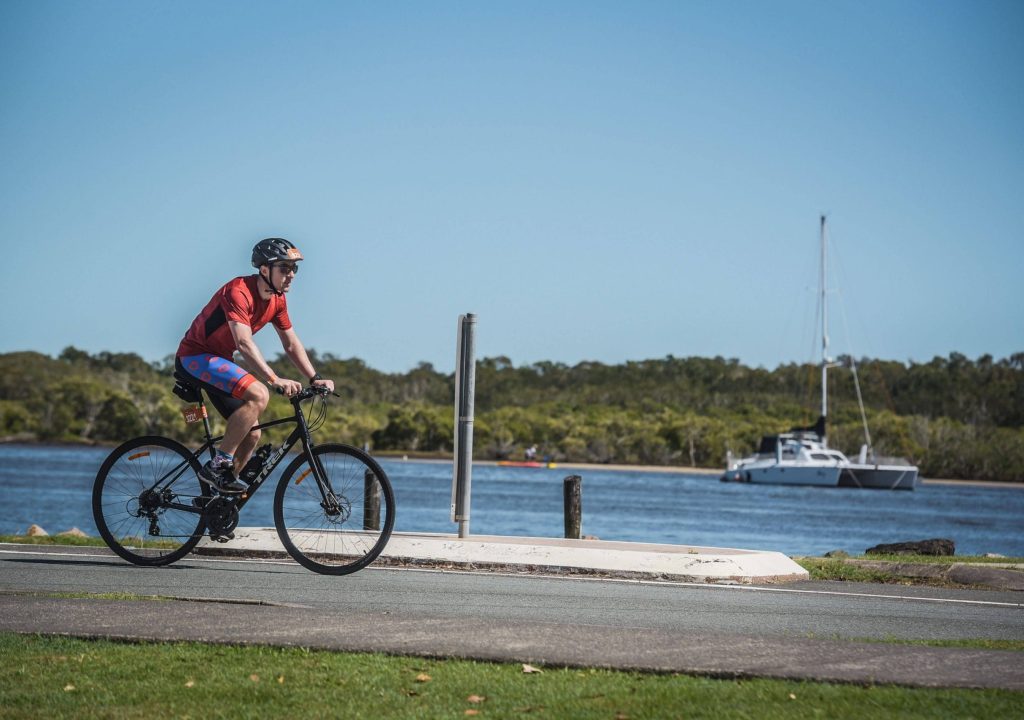
Bike – 1h 21 elapsed (1h 18m moving)

  • The bike makes a real difference. I don’t care what each tradesman says
  • I was on a hybrid and thought I did very well averaging ~30kms/h
  • My biggest mistake was not reading the rulebook as I drafted someone after like 2mins of riding and copped a blue card and a 3minute sin bin. I actually think most people were doing this and it’s just luck whether you get caught or not
  • I was destroying the average riders uphill which felt good. But those good riders were just next level. Considering the bike is the longest leg, this is where a lot of opportunity is

Run – ~40mins

  • Did very very well here and made up a lot of time. I was flying and think there was only 1 guy on course who was running faster than me in my line of sight

Results

Final Thoughts

  • Great and fun event. Highly recommend doing it.
  • I think even for the non-podium people you can very easily get caught up in the competition aspect and forget to enjoy it
  • I’m not one for crowds and it was very annoying trying to get out of the area
  • I beat Spencer (my old colleague) and that was my only time goal. Accomplished.

BTU110

Leading into BTU110 I had done a few long runs on the weekend and started feeling some pains in my knee in the exterior of my left knee but just like under the knee cap. It only started to feel these pains when I bent it and only after maybe 3 or 4 hours of running. I thought I was just imagining and kept pushing on.

09 July 2022 at 5:00am the race began and I was in the top 5 or 6 people. I just happened to be running a similar pace with a legend – Alexi. I was feeling great even with the steep and constant undulation until around the 40k mark or ~4-5hour mark the similar dull but consistent knee pain. I tried to run it out for another 10Ks until it started becoming unbearable – I had made it to one of the larger aid stations and rested for a few minutes and downed some noodles. Started running again and within 2ks it had come back. At the top of a hill I decided to let my position slide and try to shake it out for 20-30 minutes with squats and stretches. It killed me just to let people pass. Similar to before, the pain came straight back but faster and worse than ever. I knew at this point that I was pulling out.

The walk of shame back to the aid station was the worst part as so many people were so encouraging and checking in if I was okay. At last I made it back to base and got a lift down to the bus stop with a nice support crew.

At the end of the day, I was sure I made the right call to pull out. It only kills me now as I look at the results to see and congratulate Alexi on coming overall 3rd. I still had a lot of gas in the tank and weirdly was walking fine, just couldn’t run. 

I steeled myself and knew I had something to learn from this experience. Sharks can only move forward, I need to channel my inner shark.

What's up doc?

Without ranting too much about how long and drawn out the process was to see doctors / physios / radiologists / etc…. I decided I should get some specialist medical assessments.

  • BAD: MUST see a GP to get a referral. Seems to take longer than a week to get a booking…
  • GOOD: Opted in to get an MRI scan ($500 cost but $380 returned through Medicare)
  • GOOD: MRI report comes back with a lot of detail. but quite complex. Google and youtube help diagnose
  • BAD: GP is supposed to interpret the results but literally has no idea so just reads back the report word for word and suggests seeing a specialise.
  • GOOD: Youtube / Google doctors and physios have lots of remedies which I was following most of the 3 weeks prior to finally getting the MRI report.

The words ‘Chronic’ and ‘ACL’ scared me to see them here – however I know they’re most likely from previous injuries and I was running with them earlier. So ruling them out it’s surely ITB syndrome and Google diagnosis suggested.

Rehab = Stretching and Strengthening

A few of the materials that really helped me.

  1. Stretch ITD with towel/belt
  2. Quad stretch
  3.  Strengthen for 1 legged squats
  4. Ankle / shin flexibility and mobility
I try to do most of these every day even if it’s short – better than nothing.

1 month later...

I rested for almost 4 weeks and maybe 5 cancelled physio appointments before deciding it was time to test it out. The stretching has really helped and no pain although I’ll admit I’ve probably overdone it with almost 60ks in the last 5 days.

The Race

Preparation

  • Run, a lot
  • Buy all the gear you need – ensure mandatory kit
  • Bag pack – make sure it all fits
  • Eating bulk food leading in and during
  • Preparing listening materials
  • Walking Kelli through the plan – start hard, consistent throughout the night
  • Get to the start line EARLY

Start 9am Saturday 21 May 2022

  • Very happy with the starting first 30Ks. Blitzed it and got out in a solid leading pack.
  • Kelli said she saw me on the tracker in first place at one point, yay
  • The trail disappeared and terrain very tough
  • Literally one point saying ‘this can’t be the way, it’s too insane’. Turns out it was the way and my hesitation cost me ~20mins
  • Razorback ridge AMAZING

Aid Station 1: Standley Chasm around 630pm and dark

  • Currently in 3rd place
  • First time seeing Kelli ~8-9 hours in
  • Maybe in darker spirits knowing it was almost certain I was running all night.
  • The next 40 to the aid station weren’t as difficult as the previous 60 but I struggled to keep a running rhythm.
  • Cain (4th) caught up and boosted me through a Canyon. One of the legends last races as he gives back time to his family.
  • Once he left it was just myself… Bit daunting, so started LotR 1 audiobook. Scary witch kings, orcs, forest, barrow downs, willow.
  • Lost on the track then mr Speed Dealer (5th) overtook me. He was on speed big time. The aid station person put his condition down as ‘Hungry’

Aid Station 1: 103K and around 3am

  • Currently in 5th or 6th place
  • Kelli was asleep in the car
  • Final big aid station I did a shoe change and caught a 2nd wind then lost it. Then caught a final in the 10k end.
  • Views probably would’ve been amazing and that’s the real loss here. Esp. near the end on euro ridge where I could see nothing.
  • Kelli paced me the final 5 and almost took me down the wrong road lol
  • End at sunrise. Wasn’t completely dead.
  • Good time but feel I left a lot out there with the lost running
  • Results

Post Race

  • Snuck into a campground to shower – that was hard
  • Smashed a huge KFC feast
  • I slept in the car as Kelli drove us to Uluru for our flight back to Sydney the next day – what a legend she is!
  • Ankle / shin muscle or tendon issues plagued me for the next few weeks, next race is BTU110K in ~6 weeks post race!
WMM 2022 Final
Thank you Support Crew Dinner

Set Your Ultimate Goals

By setting your race goals first you’ll be able to plan your calendar and races to achieve these. It’s usually best to set goals into Priority Tiers (A/B/C 1st /2nd/3rd). 

For myself, my (current 01/01/2022) goals are:

  1. Priority
    1. UTMB – Ultra Trail Mont. Blanc
    2. UTMF – Ultra Trail Mount Fuji
    3. Western Mac Ellery 128K
  2. Priority (or Qualification Races)
    1. BTU 100
    2. Tamworth Trail Blazer 60K
  3. Priority (if it won’t impede my other events)
    1. UTA (50 or 100K)

Race Requirements / Entry Process

There’s not much point in looking further into a race if you can’t even enter. Look at the official website and find out how to qualify.

My example is UTMB (170K) and from my research thus far it’s one of the most difficult races to qualify for (for the general public). So if I qualify for UTMB, I should be pretty safe for all other races (still worth checking each race though).

UTMB 2022 Entry Process lists multiple criteria just to enter the lottery.

  • ‘Unique’ to UTMB: Runners who have collected Running Stones by participating in the UTWT circuit. One Running Stone will provide one entry in the lottery. You can have up to 9 stones. They must also own a valid UTMB  Index for the distance of their choice (To enter the UTMB® lottery, runners must own a valid UTMB® Index in the 100K or 100M category).
  • More Standard: Runners who have acquired the requested qualifying points. UTMB: 10 points acquired between 01/01/2019 and 31/12/2021 (in 2 races maximum). 1 Entry for the lottery.
  • Charity: making a 2,000 donation to one of the charitable associations supported by the organization
  • Be an Elite (800+ ITRA score)

My UTMB Qualification

So it’s pretty clear that I will not be able to qualify for UTMB 2022. I have 0 stones, I’m ~120 points short of being ‘Elite’ and I only have 1 qualification point.

I will airm to qualify for the 2023 event.

The most efficient way to gain entry is through Running Stones as you can have up to 9 entries. I will opt for gain as many Stones as possible but also aim for qualifying points (as this will ensure I qualify for other events such as UTMF). 

I have organised my races as below:

1
Race DateCategoryPurposeLocationNameStones / Points
2
9 April 20223rdOtherTamworth, NSWTamworth Trail Blazer0
3
14 May 20223rdStonesSydney, AustraliaUltra Trail Australia (50K)3
4
21 May 20221stGoalAlice Springs, NTWestern Mac Ellery (128K)5
5
9 July 20222ndPointsBrisbane, QldBTU 1005
6
27 October 20222ndStonesChang Mai, ThailandThailand by UTMB (54 / 110K)9
7
18 November 20222ndStonesCheng Du, ChinaPanda Trail by UTMB9
8
26 April 20231stGoalFuji, JapanUltra Trail Mount Fuji3
9
22 August 20231stGoalChamonix, FranceUTMB0

Finally, just because a race is not in the list now doesn’t mean you can’t do it. Just ensure it fits into your goals and plans.

Timing and Registration

Don’t miss registration dates!

  • UTMB registration: January 6 to 18: pre-registration for the lottery & registration for priority runners
  • UTMF Registration: January 7, 2022 – January 14, 2022 Lottery.
  • Western Mac Ellery Monster 128K: Online Registrations for personalised bib close: April 30th , 2022

Where you have a race that may impact performance of another, rethink and maybe cancel the lesser priority race.

Resources

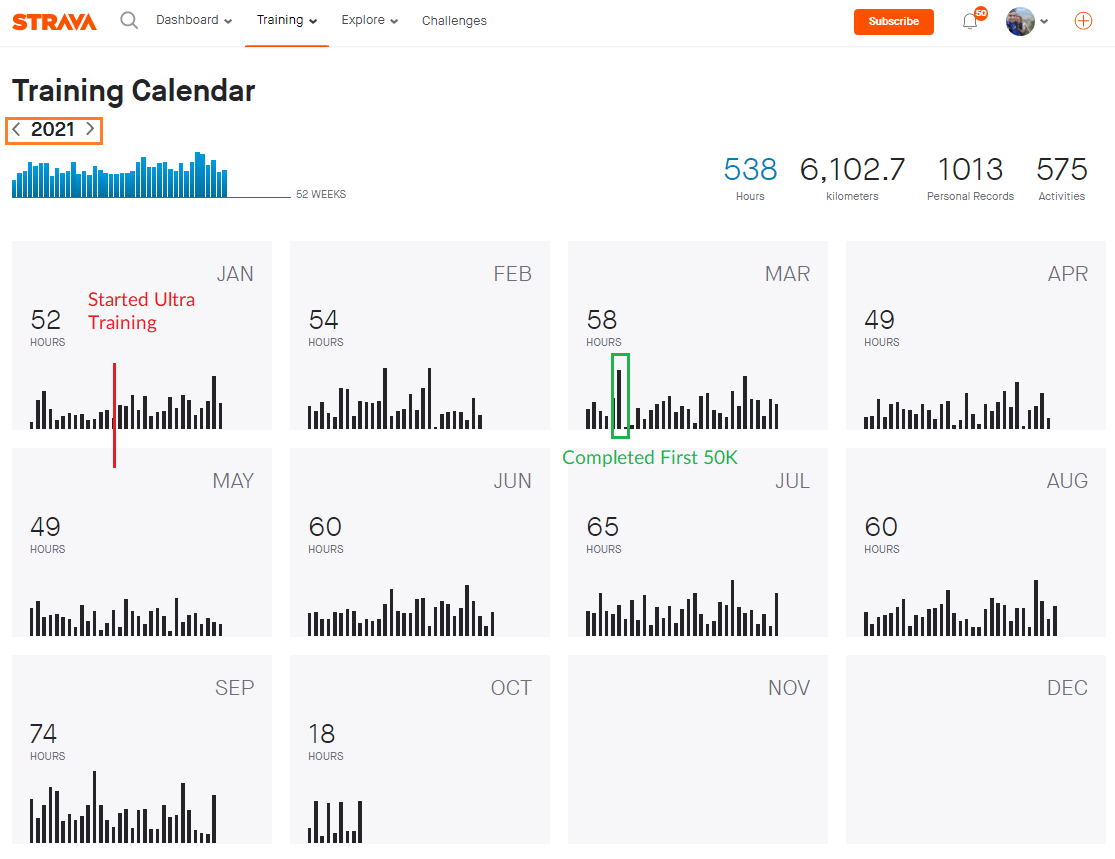
I got into the more serious side of running in late January (28/01/2021) when I signed up for my first 50K ultramarathon. To say I did any real research or planning would be a huge overstatement. My longest run to that date was around 20K – I knew I had to start running much longer distances to

  1. Mentally prepare myself to KNOW that I could do 50K in a day
  2. Physically prepare myself to run my ultra best

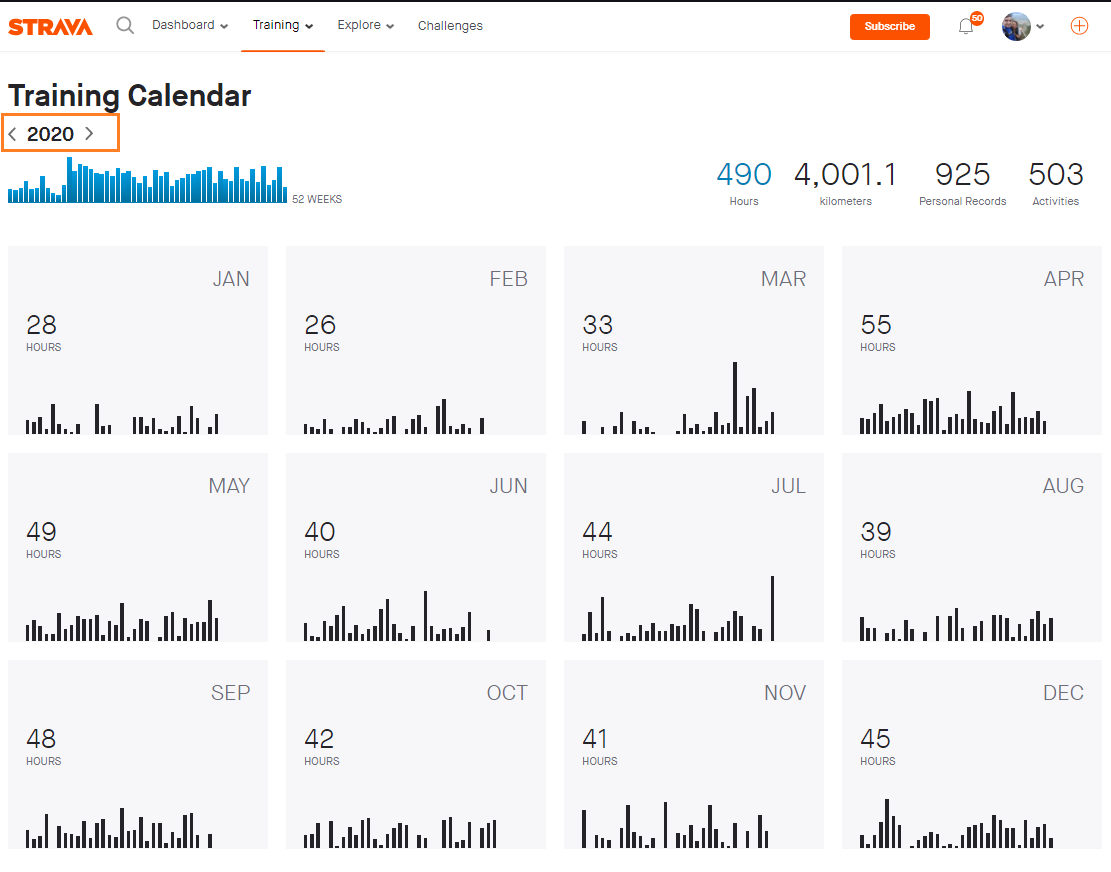
My training plan was simple – run more and run long on the weekends. Here’s a simple time series of my training via Strava:

Some time in mid 2021, I set myself a more far reaching goal – to compete and complete the holy grail of Ultra Marathons: Ultra Trail du Mont Blanc (UTMB) (171 km +10,040 m) in Chamonix, France. When I decided this sounded fun and right up my alley, I started to again feel similar to that time in January – inadequately prepared by such an overwhelming test of physicality. I wanted to get good and set myself up for my ultra-best with more of a plan than ‘I’ll just do longer runs’. I set out and decided to hire a running coach as a shortcut to learn what I needed, however that didn’t turn out as planned so here I am, learning and training myself to become an ultra endurance runner. I am no expert and only a few months into ultra endurance training and still learning, but from my learnings I want to cover these areas:

Planning & Learning

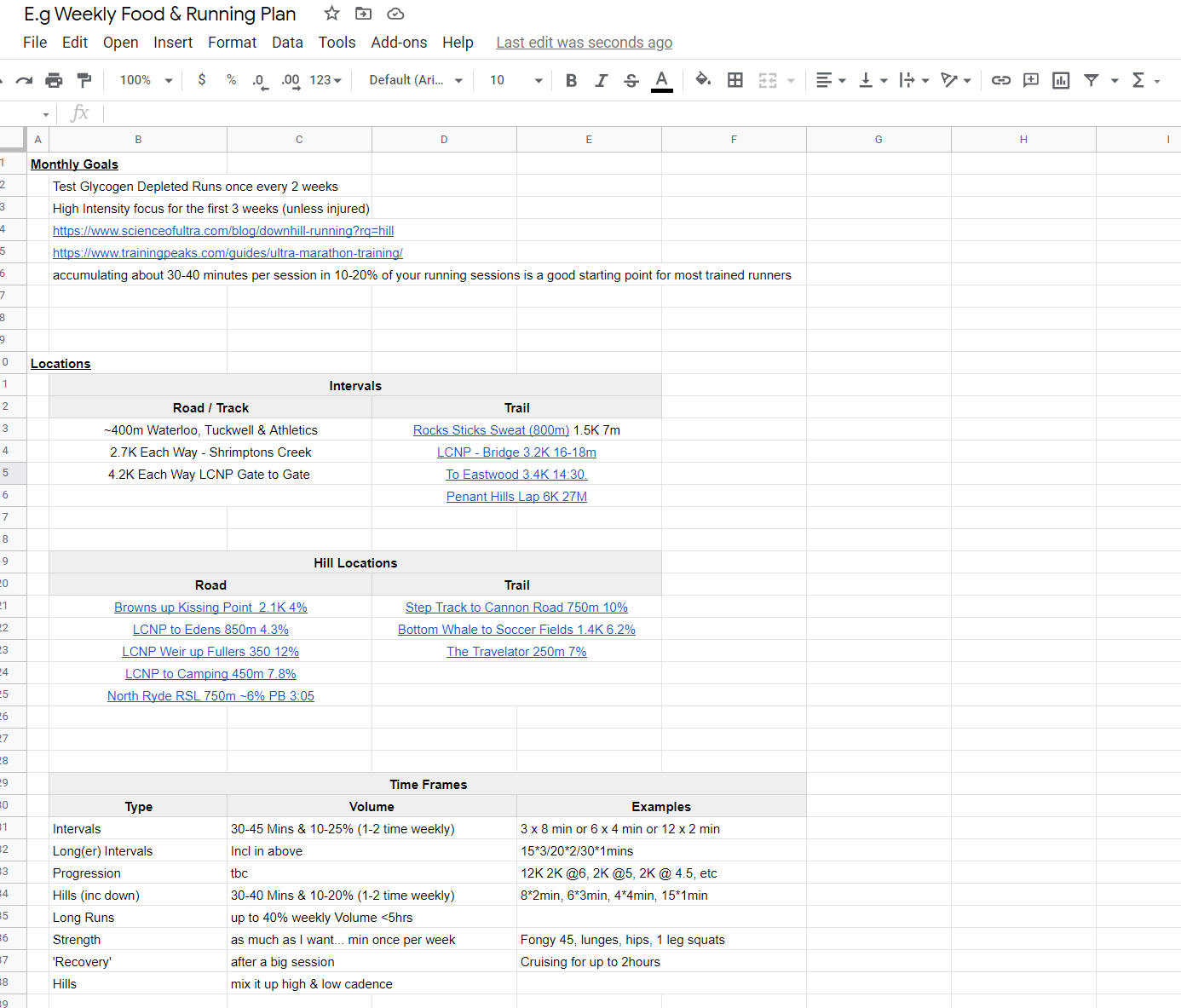
  1. Training Schedule (Weekly / Monthly Google Sheet) – I set up a training sheet which I update weekly or monthly. It will include ideas and locations for hills. It’s also good to tally up your training if you can be that dedicated.
  2. Race Planning: Find the races that really interest you. Ensure you know how to qualify for them. Train for the race as close as you can. E.g UTMB is 170K with 10K elevation. Break it down – how much do I expect to run, hike, uphill, downhill, etc. Try to base your training around this.
  3. Coach – consider getting a coach, running form assessment and understand how different training techniques can improve your body and mind.
  4. Podcasts – Good to listen to while running for all running topics. My favourite: Science of Ultra and also Mile27
  5. Friends

Physical Training

Types: variety is the spice of life. If you do anything too much it’s surely not good for you. Mixing up your runs (from what I understand) will improve overall versatility and ensure your muscles are prepared.

    1. Long Runs: Up to 40% of overall weekly time. Less than 5 hours unless you are training mentally or gut testing. Probably want to do a big one (8+ hours)  around 6-8 weeks out in case you get injured. This is a good mental boost and test gear, gut and mind.
    2. Speed (Intervals, progressive, Fartleks, etc): Usually 1-1.5 hour sessions. Want to be doing minimum 30 minutes of actual speed running when you go out. Remember to be specific, Usually don’t want to be doing 100m sprints when you are training for a 170K race. Longer efforts will be more effective: 
      • e.g 3min * 10 efforts or 8min * 4 efforts. Etc. My pace for this training will be 5-10km 
      • pace (3:00 fastest)
      • Fartleks can be fun when combining with Strava segments. You don’t need to do consistent times / repeats. Effort is the main factor. E.g Segment 1 ~6mins, Segment 2 ~12mins, Segment 3 ~5mins, Segment 4 ~5mins.
    3. Hills / Hiking: UTMB will have a lot of climbing (roughly 5.9% overall course (10K/170K)). Although not always possible, best to try to replicate near this in your weekly schedule. I.e 100K per week = 5.9K elevation. Similar to intervals, I want to get in ~20minutes of actual climb time as well as descent time. I.e 6 * 4mins, 3 * 7mins
    4. Comfortable Runs: These are the usual runs. Comfortable (talking) pace. These are to put some more mileage in the legs when fatigued or to impede further fatigue. These will usually be in between the harder (speed, hills, long) sessions. 
    5. Strength & Mobility: 
      • Personally, stretching after running works for me. I have a sauna so it’s my place. I’ve never been flexible and something I want to properly try. After (almost) every run.
      • Strength has become more important as I’ve done more running although I still need to put more emphasis on it. Hip flexors (slide 5 & 6). Also don’t want to have runners arms, so it can be good to fit in some upper body through F45 or the like. Core is also very important so put in some situps with focus on obliques. One F45 per week, each walk (usually every 1-2 days) do a few situps. 
    6.  Rest: something I’m not very good at but a quote I like to paraphrase – when you are training you are hurting / tiring out your muscles. When you are resting they are recovering and becoming stronger. Like a senzu bean.

Nutrition & Gut Training

  1. Consider hiring a nutritionist or at least researching…
  2. Training and prep
    1. For runners, carbs are good. Low GI is best. Eat more wholemeal
    2. Eat 1-2hours prior to a run, test and see if you can bring this down
    3. Eat less sugar
    4. Get to an efficient weight
    5. Eat more fiber
    6. Try glycogen depleted runs 
  3. The Long runs
    1. You shouldn’t need food top ups for less than 2 hours
    2. Take food for anything longer than 2.5hours
    3. Good idea to nibble every hour instead of large amounts
    4. Test food and gels, gels also expensive, you can make your own and test your own foods

Other

  1. Mental – you won’t know if you don’t attempt something tough. Chafe is still the most scary thing for me… something I need to further test. If you can test something before the big day it’s best to try it and give yourself that confidence boost

Final Words

Everyone is capable of training themselves with the right commitment and learning. Like a diet, find something that works for you, if you can’t stick to your training plan, look at changing it up to make it fun – strava segment seeking and weekly planning can actually be fun. I have shared some of the things I have started reading, learning and planning to improve my running to achieve my goals. I’ll test and improve this as I go through the stages to see what works and does not work for me.

If you’re to take one thing from this, think to make yourself Training Schedule (Weekly / Monthly Google Sheet)