The Iron Horse Chronicles: 3,112km of Gravel, Grit, and Questionable Decisions
TLDR: I rode a $258 Walmart gravel bike from Seattle to St. Louis by linking historic, forgotten rail trails—surviving 3,112km with zero mechanical failures. Guided by the Stoic truth that you can’t appreciate comfort without enduring hardship, I embraced mandatory disasters: dismantling locked security gates, crawling over rubble inside a pitch-black collapsed tunnel, and battling soul-crushing 35 km/h headwinds. These trials cleared the palate for incredible highs—pristine tarmac, mid-country tailgate parties, and wild trail tortoises. It was a glorious, character-building descent into Type-2 fun that I would never repeat, but absolutely recommend to anyone with a machine that pedals.
Background
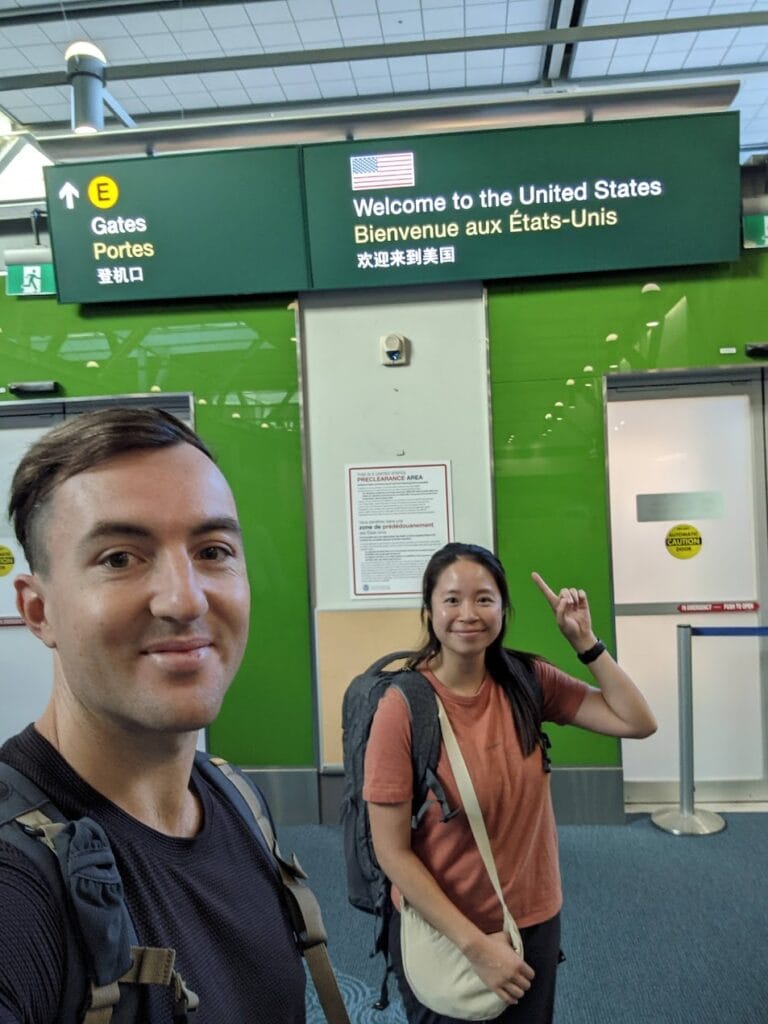
A couple of years ago, shortly after moving to the United States, I discovered something that immediately captured my imagination.
Old railroads.
Not the shiny passenger rail networks you find in Japan or China. The forgotten ones. The railroads that helped build America. The lines that pushed westward across mountains, deserts and plains, connecting towns that otherwise wouldn’t have existed. Many were eventually abandoned as the country fell in love with highways, cars and airports. But some survived in an unexpected form.
Instead of rusting away completely, they were converted into Rail Trails — long-distance walking and cycling paths built on the original railway corridors. The beauty of rail trails is that they inherit all the qualities that made railroads useful in the first place: gentle gradients, direct routes, huge bridges, tunnels and uninterrupted travel through landscapes that roads often bypass. As soon as I discovered these trails were scattered across the country, I did what any sensible person would do…. I opened Google Maps and spent a week connecting them together into one ridiculous bicycle route.
Gear List: The "Walmart Warrior"
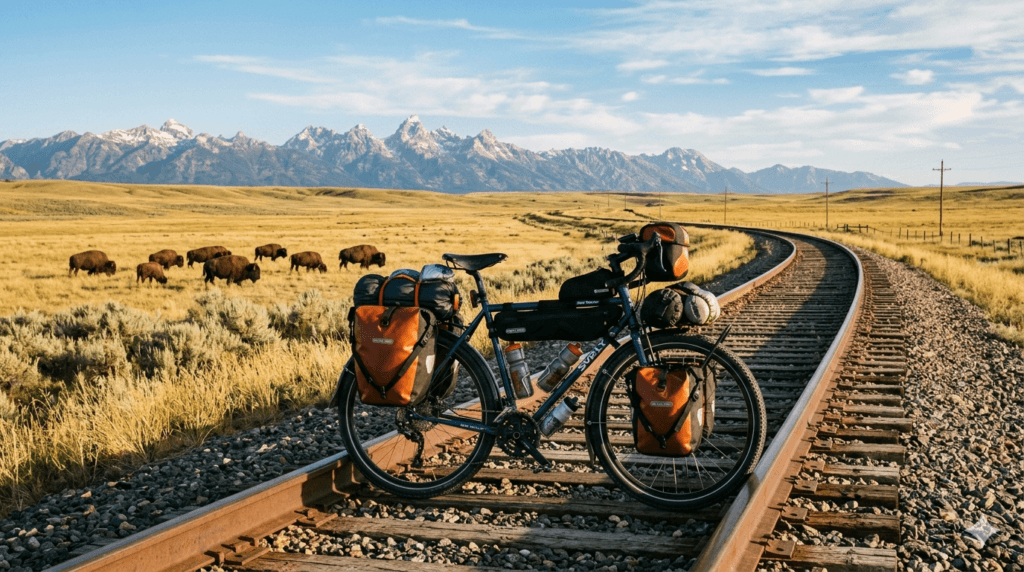
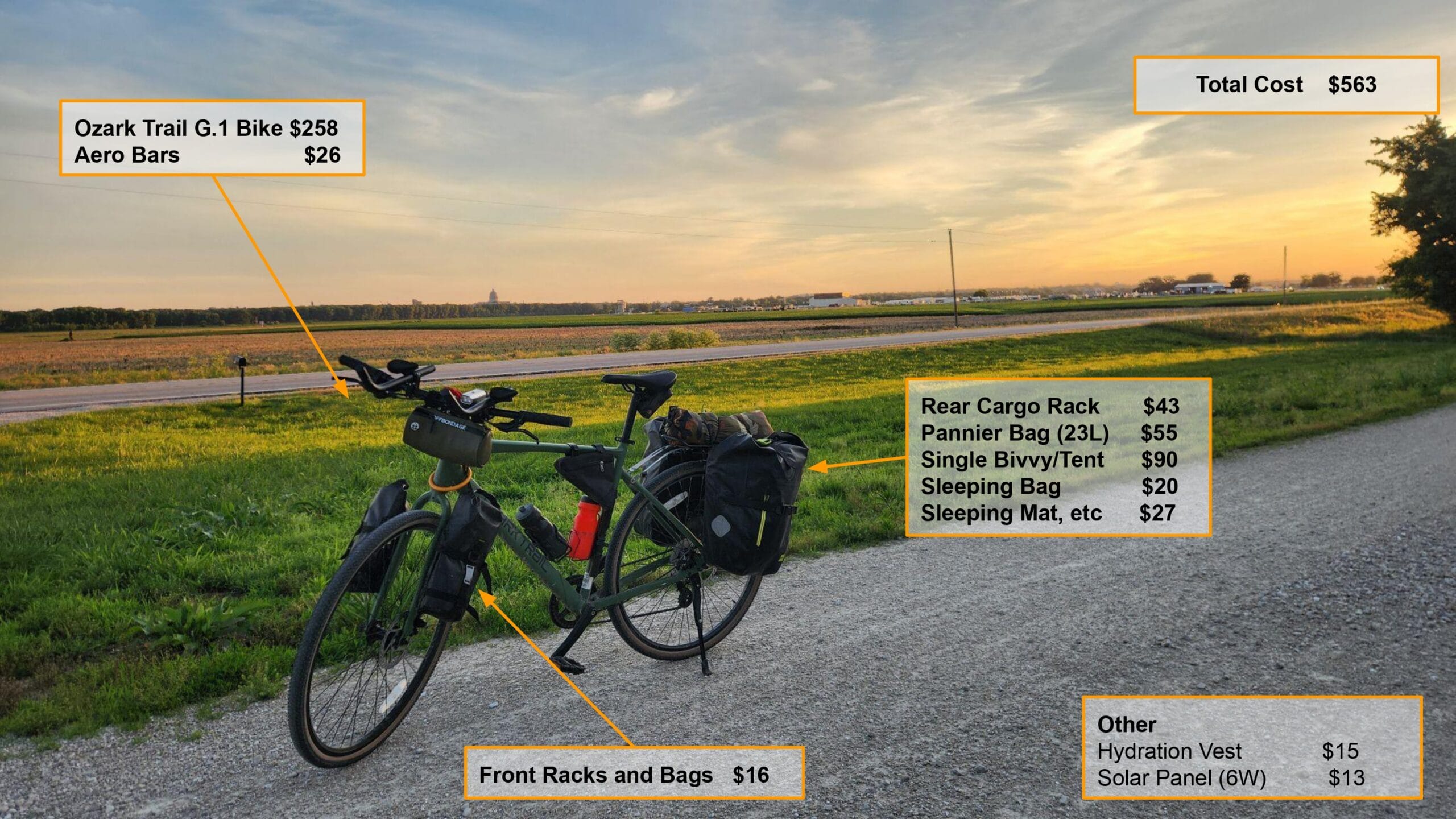
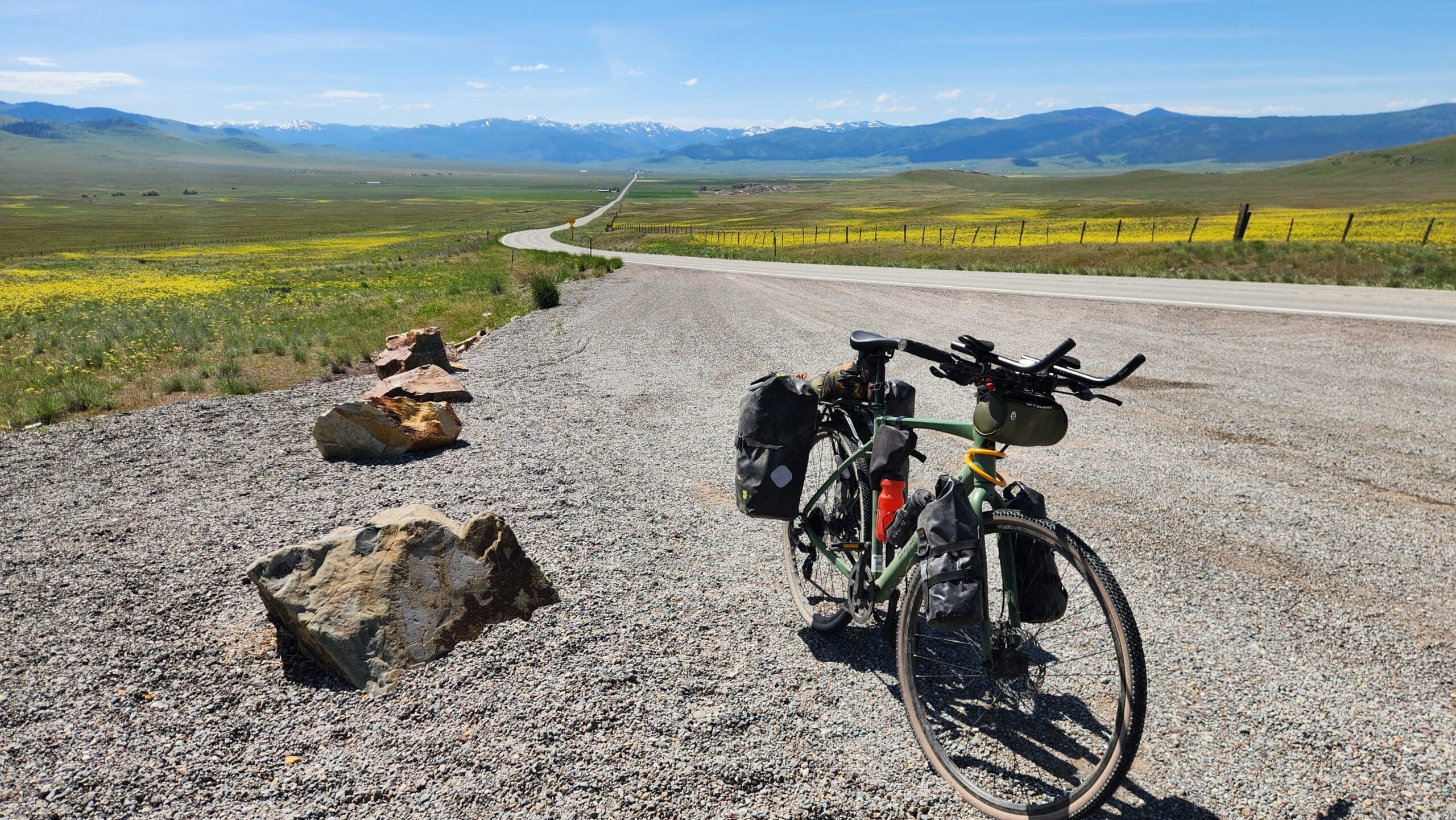
My steed for this 3,112km odyssey wasn’t some high-end, custom-built boutique rig. It was an Ozark Trail 700C G.1 Explorer—a flat-bar gravel bike I picked up at Walmart for $258.
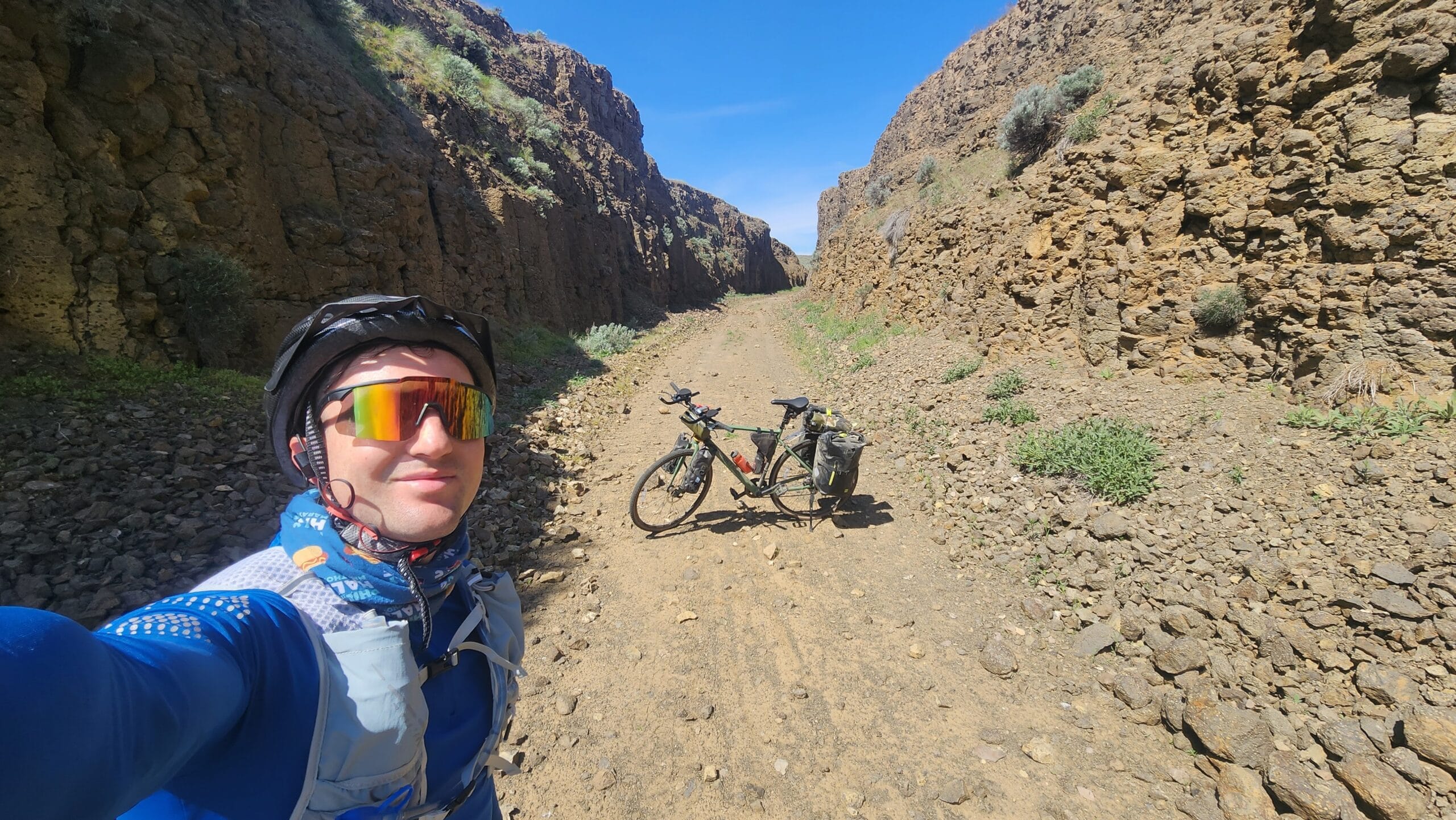
When I rolled up next to others on the trails with a sleeping bag that cost less than a decent dinner and a bike that was being stocked next to the lawn furniture, I got a few looks. But as I pushed through the Cascades and into the heart of the Midwest, my $258 friend didn’t complain once. The tally of my mechanical issues across 3,112km? Zero. Not a frame failure, not a crankset snap, not even a catastrophic bearing blow-out. It survived the sand-traps of the John Wayne Trail, the vibration-heavy gravel of South Dakota, and everything in between.
The Route: A State-by-State Descent into Type-2 Fun
If your idea of a good time involves smooth tarmac, predictable tailwinds, and hotels that provide complimentary mints on your pillow, close this tab immediately. This section is not for you.
“Peace has cost you your strength. Victory has defeated you.” – Bane
To cross this continent via historic rail corridors, you must embrace a very specific, slightly masochistic philosophy: Fun is optional, but preferred. The disasters are mandatory. There’s a deep undercurrent of Stoicism that reveals itself when you’re stripping down a cheap bike in a dark ditch. The truth is, you have no concept of what is actually easy until you have willingly endured what is genuinely hard. Comfort is a lie we tell ourselves until we’re forced to recalibrate our baselines. You cannot truly appreciate the profound luxury of a flat, smooth trail without first navigating a collapsed mountain cavern or enduring hours of a relentless, soul-crushing headwind. The hardship clears the palate; it makes the ordinary feel extraordinary.
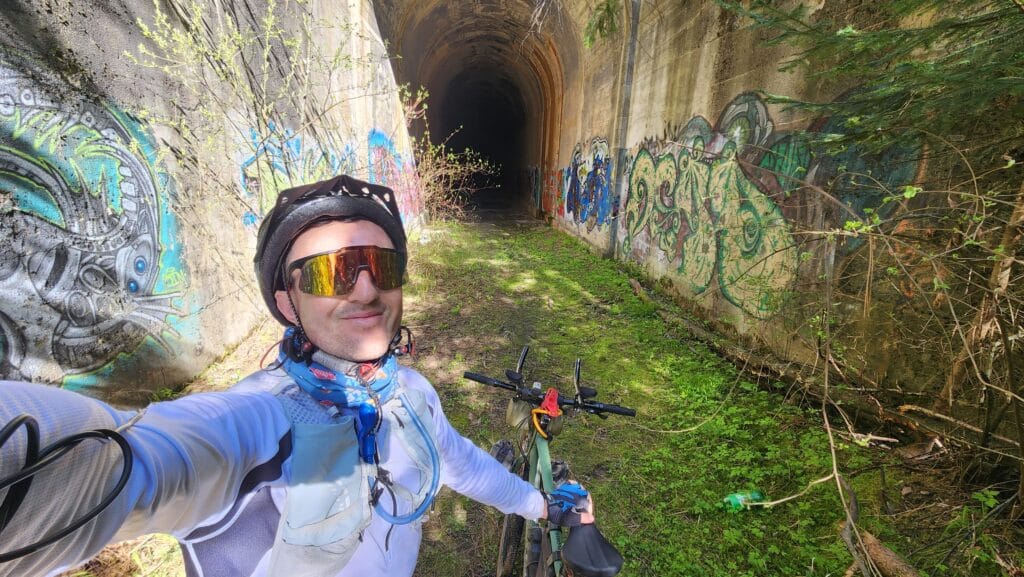
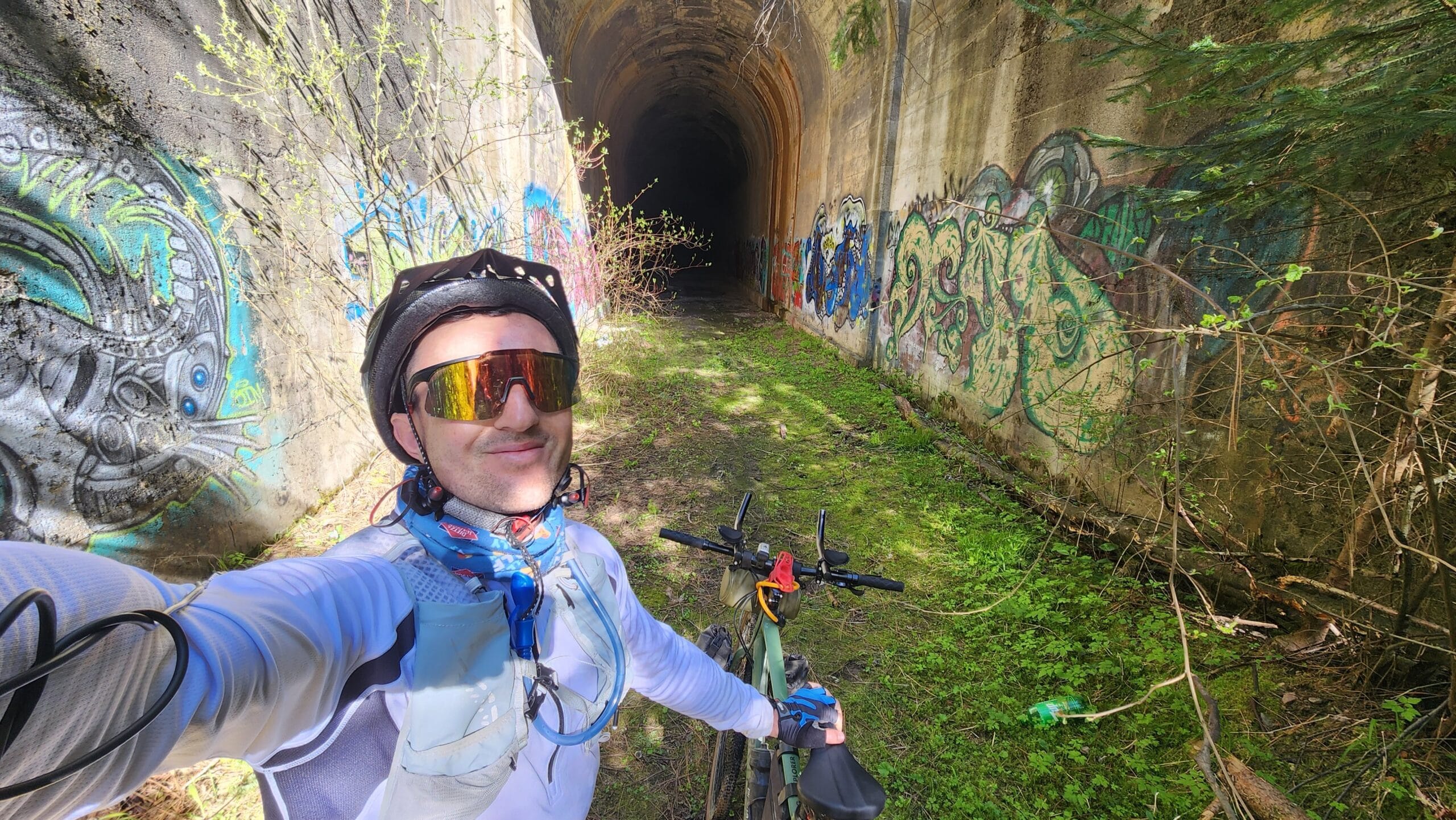
Palouse to Cascades & The Snoqualmie / Sorrento Tunnel Disasters: Day 1 set the tone. I arrived at the Snoqualmie Tunnel only to find it locked up tighter than a Nun’s… office. Naturally, instead of turning back like a sane human being, I completely dismantled a security gate, stripped my panniers, disassembled my bike piece by piece to squeeze through the gap, and rebuilt it in the dark.
If that was a warning from the cycling gods, I ignored it. By Day 4, I hit the Sorrento Tunnel in Idaho. The maps said it was open. The reality was a 2,500-foot collapsed mountain cavern. I scrambled over tons of jagged rubble inside the pitch-black void, dragging a 50kg Walmart bike, only to emerge on the other side into a literal swamp choked by a graveyard of 100 downed trees. I spent two hours wading through mud, lifting a cheap heavy frame over logs, and spotting fresh bear prints, fundamentally questioning my right to exist.
Coeur d’Alene & Norpak Trail: After the tunnel trauma, the Coeur d’Alene was pure cycling heaven. Seventy miles of pristine tarmac, majestic bald eagles, and enough cute baby goslings to temporarily make me forget the severe chafing ruining my life. Because of the Sorrento disaster, this felt like riding through paradise. Then came the Norpak section. It was stunning… until it wasn’t. The trail vanished into another brutal two-hour labyrinth of freshly fallen pines, turning my cycling trip back into a competitive log-carrying event.
The punchline? Days later, I met a fellow rider named Rex on the trail a few weeks later. He casually mentioned, “Yeah, I saw some absolute maniac’s tracks through the Norpak trail and thought, well, if they made it, I can too!” I just stared at him. “Rex… that maniac was me.”- North Dakota (The Industrial Wasteland): Step one of arriving in Williston: look around, inhale the heavy pollution, and ask yourself, “What crime did I commit to end up here?” It was a bleak, character-building lesson featuring 100 miles of relentless oil fields, sub-freezing campsites, howling coyotes that sounded far too much like hungry wolves, and washing myself using a single water bottle of sketchy, non-potable water. Good times. I ended up escaping via the classic hitch hike.
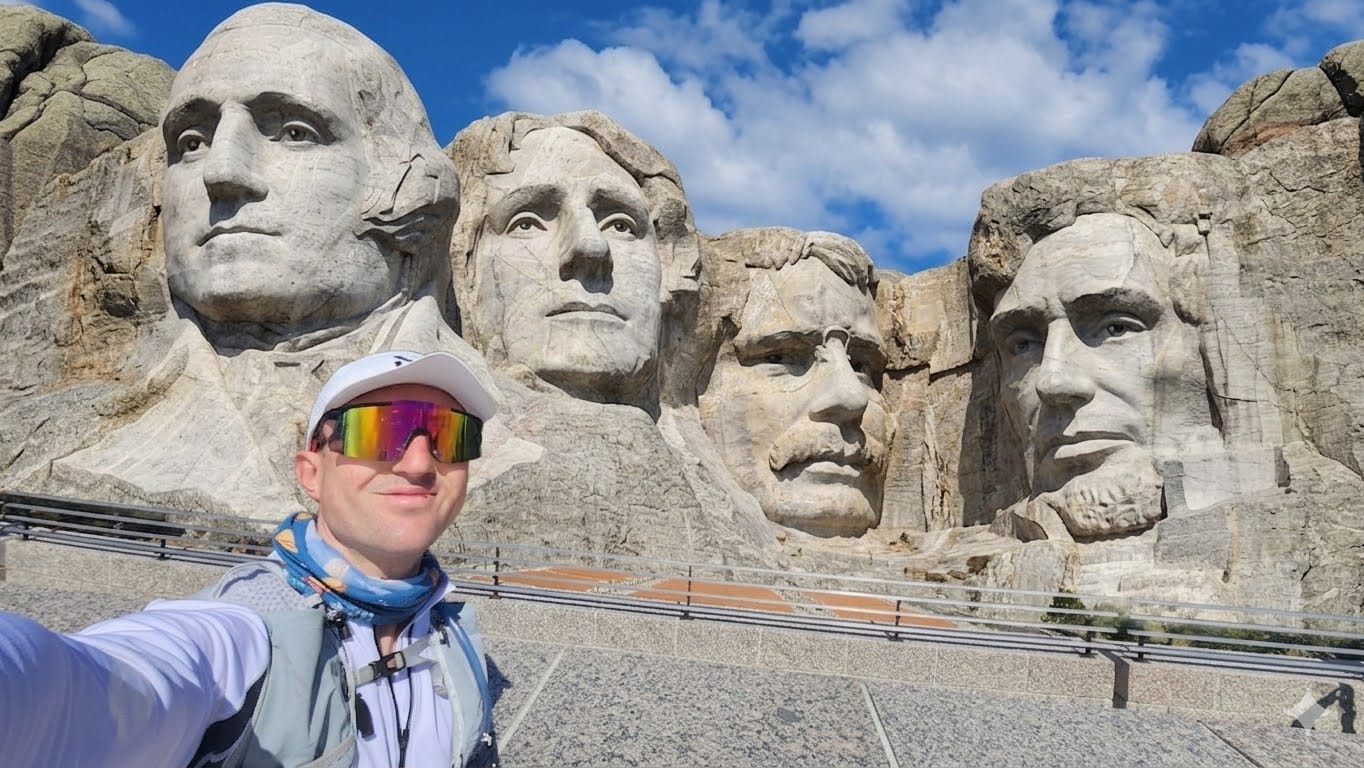
- The Mickelson Trail (Black Hills): This absolutely over-delivered. For a $5 donation, you get magnificent tunnels, historic wooden trestles, and mountain carvings like Crazy Horse. It had this rugged, cowboy outback aesthetic that felt genuinely epic, made even better by the miraculous presence of actual, functioning water stations. After North Dakota, a water station felt like the Ritz-Carlton.
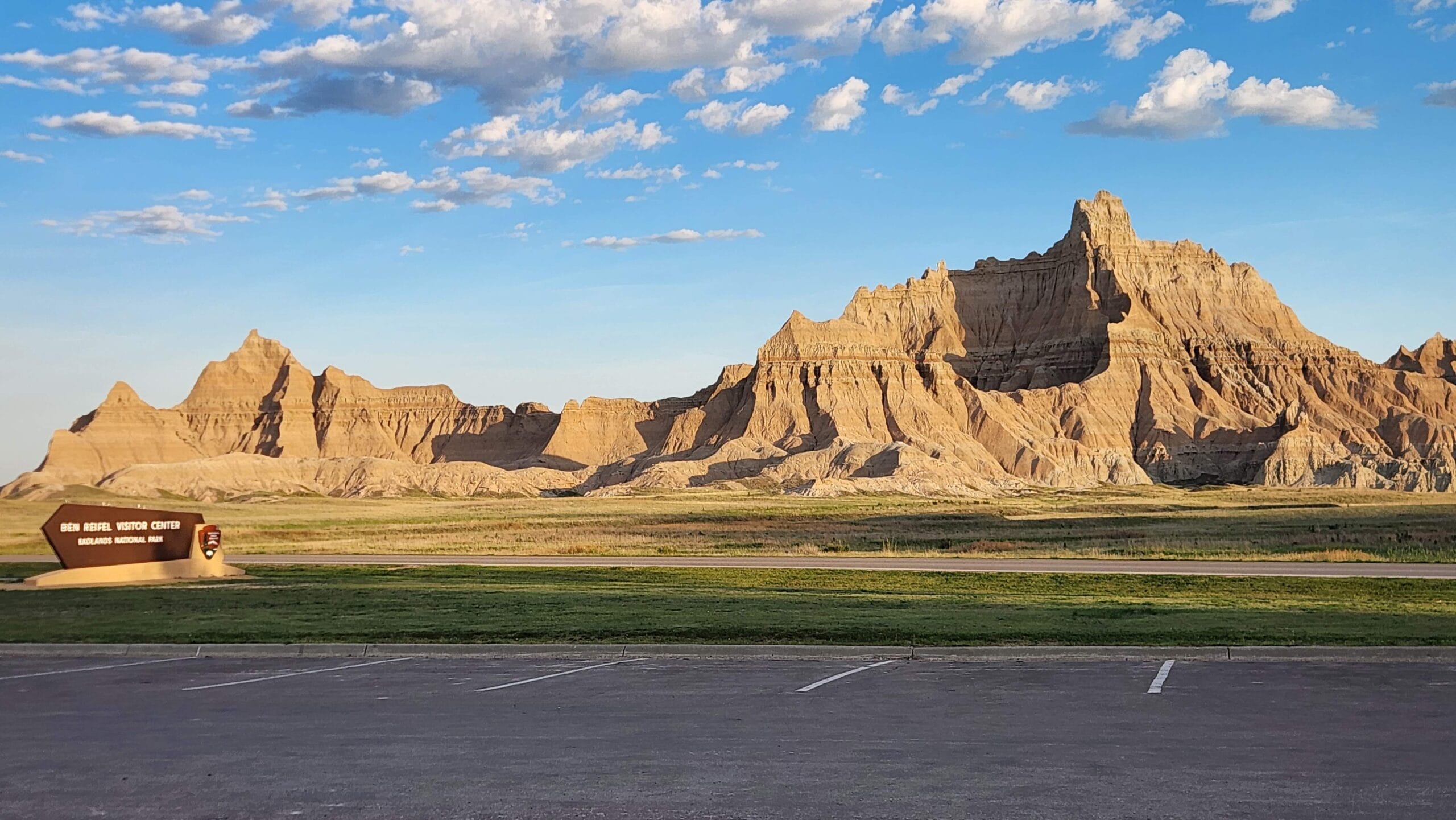
- South Dakota & The Badlands: The Badlands are visually spectacular, resembling the surface of Mars. Unfortunately, Mars has a brutal 35 km/h headwind that slaps you squarely in the face for hours across completely exposed gravel roads. When you are pushing maximum wattage on aero bars with wide panniers acting as literal sails—and moving at the speed of a brisk walk—you have plenty of time to re-evaluate every life choice that led you to South Dakota.
- The Cowboy Trail: Billed as Nebraska’s finest. In reality, it is a psychological experiment in sensory deprivation. It is flat, it is straight, and it is so mind-numbingly monotonous that passing a single distinct-looking tree feels like a festival event. Luckily for me, I bumped into a fellow rider on the trail and we shared the rest of a day and then enjoyed a soggy 2nd day on the trail. Rex, keep it up you legend!
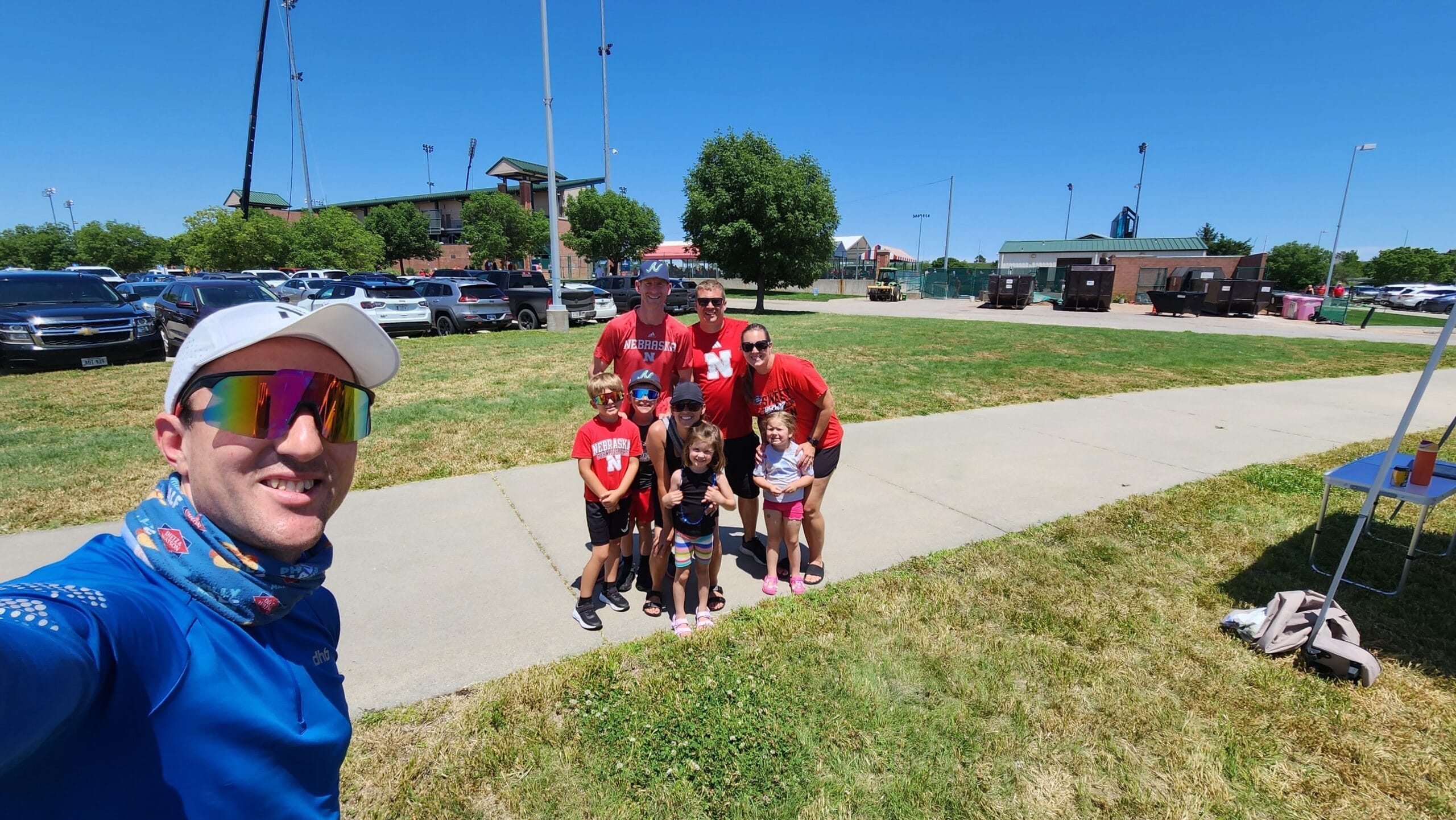
- Flint Hills & The Nebraska Cornfields: Imagine cycling through a steam room filled with corn. The heat and humidity were oppressive, but Nebraska redeemed itself when I was invited to my very first college Baseball tailgate party (Go Huskers! 🌽). I am pretty sure crushing beers and eating grilled meats in a stadium parking lot is a legal prerequisite for US citizenship. 🦅
- The Katy Trail (The Victory Lap): The ultimate reward. Smooth, impeccable crushed limestone, perfectly signed, and entirely flat. It was on this trail that I encountered a wild tortoise hanging out on the path. He was incredibly cute, and I have officially decided he is my future pet. A beautifully civilized end to a completely uncivilized journey. You earned this ease because you survived the hard. I had picked up an old railway nail early in Washington State and decided I would place in where I end my trip. So I placed it in Saint Charles, Saint Louis where I ended the Katy trail. Puttin that final nail in wild adventure.
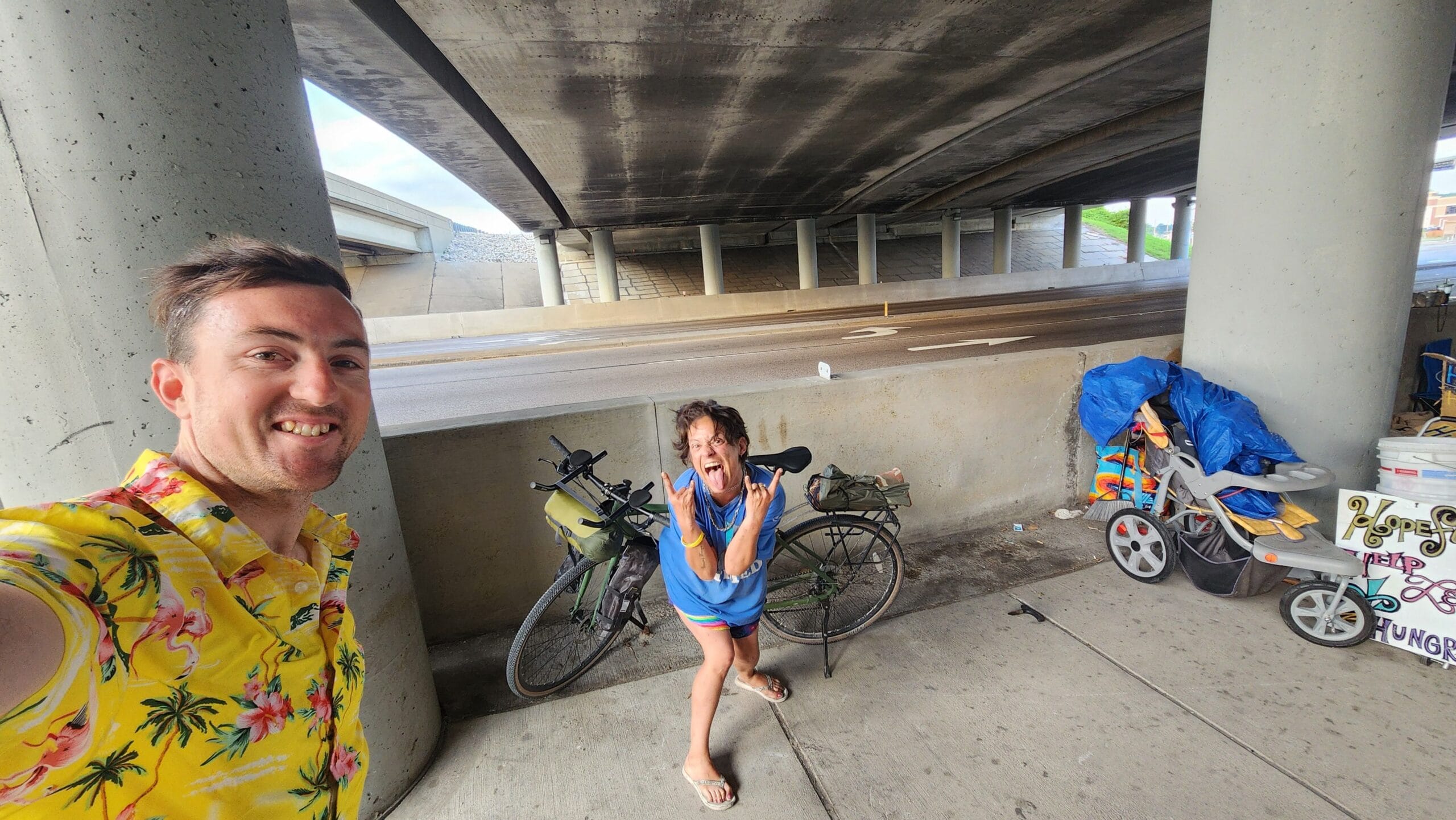
- What to do with my noble steed now? Give it away to someone who will appreciate it :), there was a nice homeless lady down the road from my motel and she was over the moon about getting the bike, sleeping bag and othe gear.

The Post-Mortem
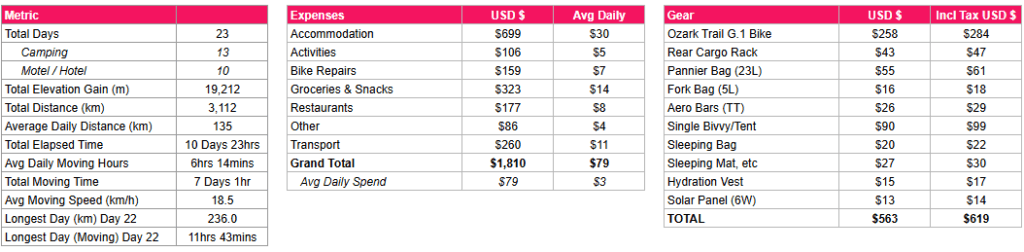
When you sum it all up, I rode a modified $258 Walmart bike—bundled with cheap gear for a grand total of $563—most of the way across the United States. I dragged it through collapsed mountains, waded it through swamps, pedaled it across desolate oil fields, and camped out on top of the world.
Would I ever do the entire trip again? Absolutely not. My body has still not forgiven me. But would I ride these specific rail trails again? In a heartbeat. They are the hidden, rugged veins of the country, and if you have a high tolerance for type-2 fun and a bike that pedals, you need to go see them.
Ross' US Rail Trails Map
USA Rail Trails 2026
Ross' Rail Trails Highlights Reel
Data and Stats
Cycling Adventure 2026 – Rail Trails Across the USA Read More »